Visit Us On:






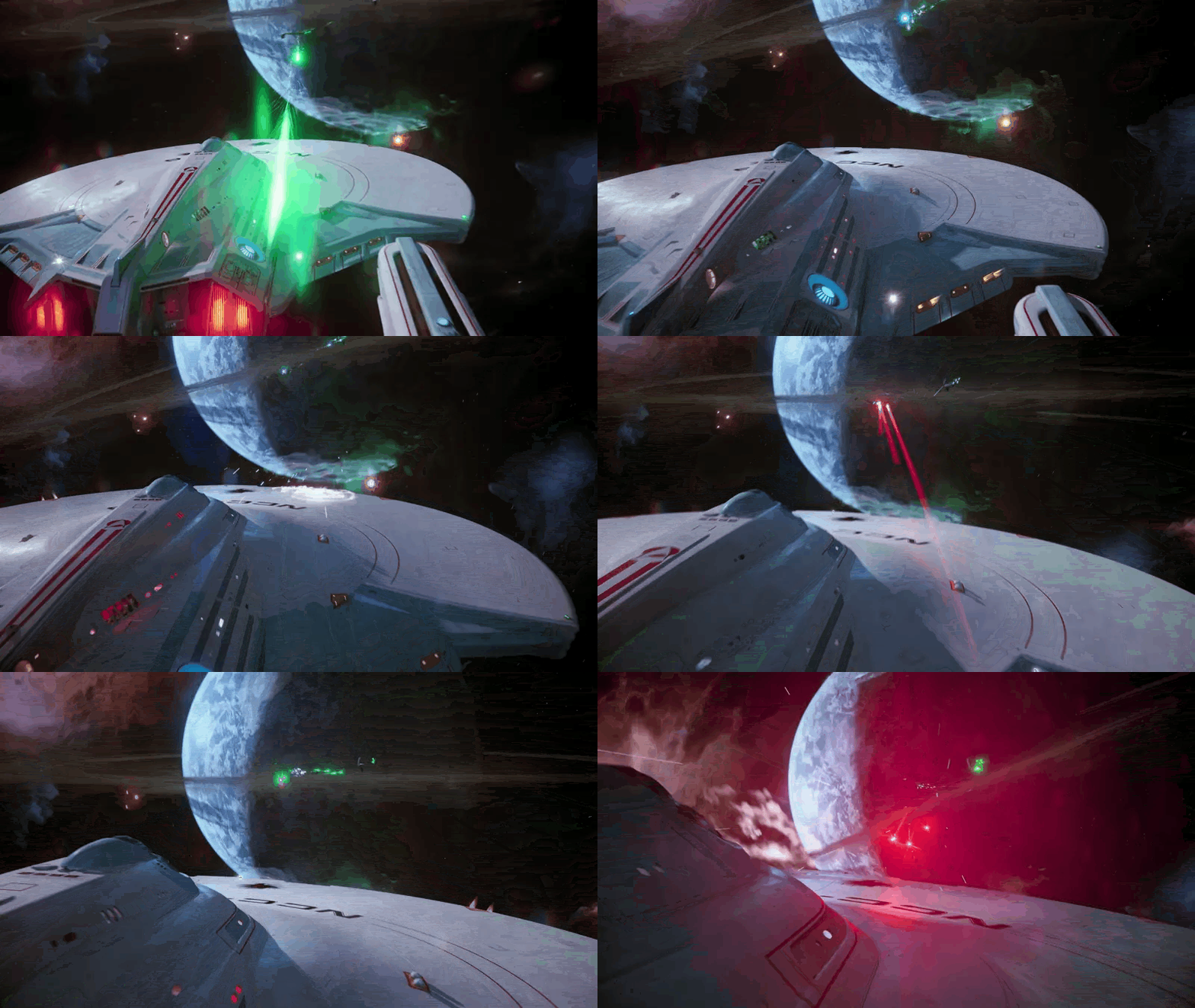
There's a moment when you're scrolling through YouTube and you stumble across something that makes you stop cold. A starship battle so beautifully rendered, so meticulously lit, that your brain immediately assumes you're watching footage from a big-budget production. Maybe a deleted scene from a Star Trek film, or some unreleased promotional material from Paramount. Then you check the channel name and realize this wasn't made by a studio staffed by hundreds of artists and millions of dollars.
It was made by one guy named Howard Day, working from his home PC in Idaho.
Who Is Howard Day?
Howard Day (often known online as Howie Day) is a Technical Art Director at Zynga by day, but his passion project work in the sci-fi CGI space has earned him a devoted following among Star Trek and Star Wars fans alike. His professional background reads like a tour through the gaming industry's greatest hits: credits on System Shock (2023) as Art Director, work on Tomb Raider titles, Tony Hawk games, and years of experience at studios like Double Damage Games, MoonBeast Entertainment, and Buzz Monkey Software.
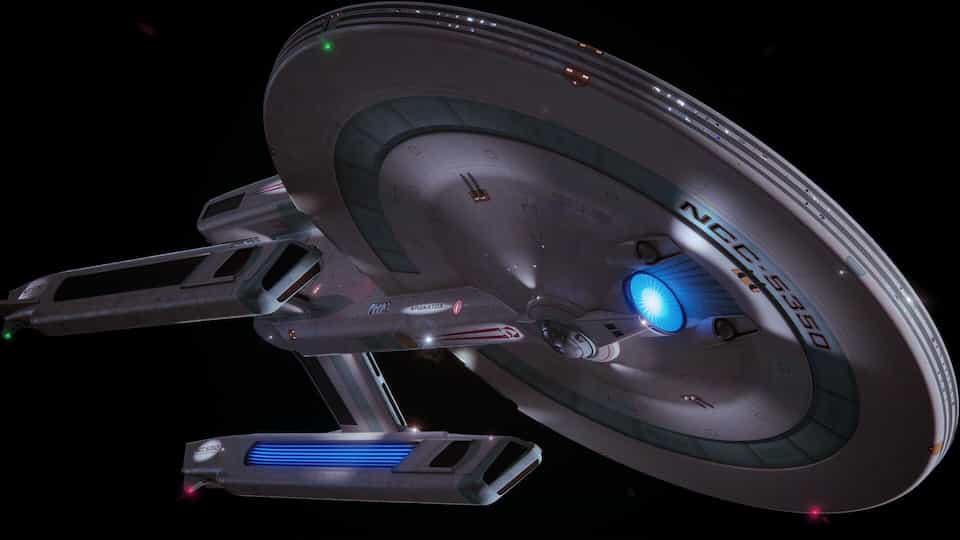
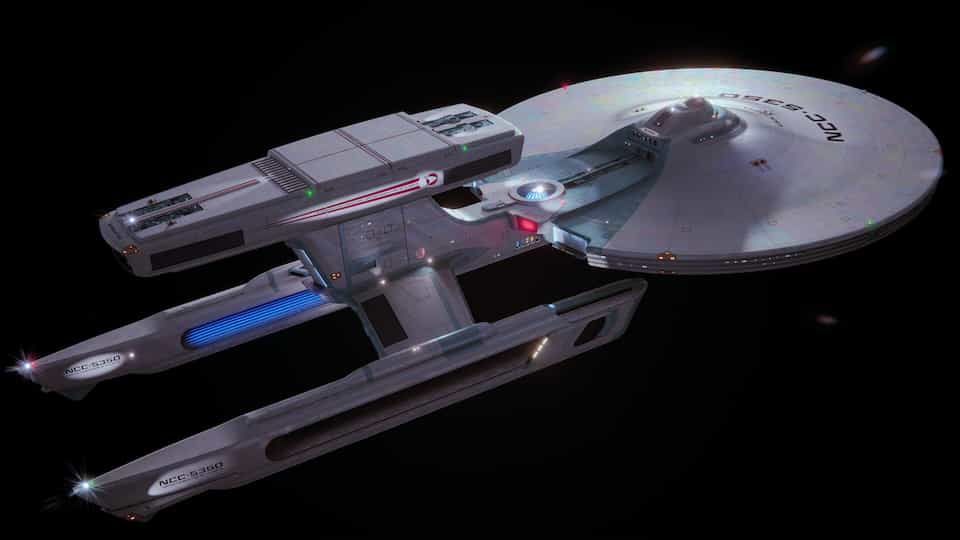
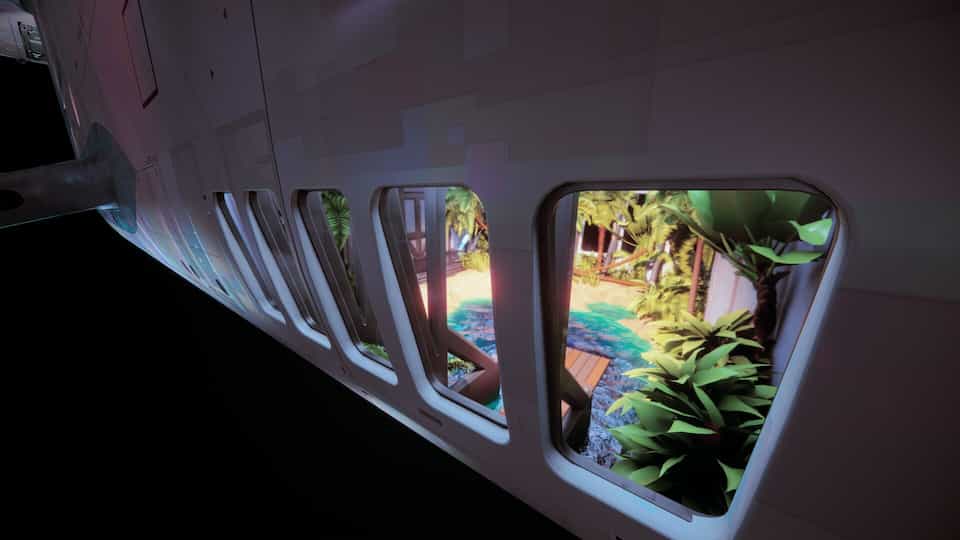
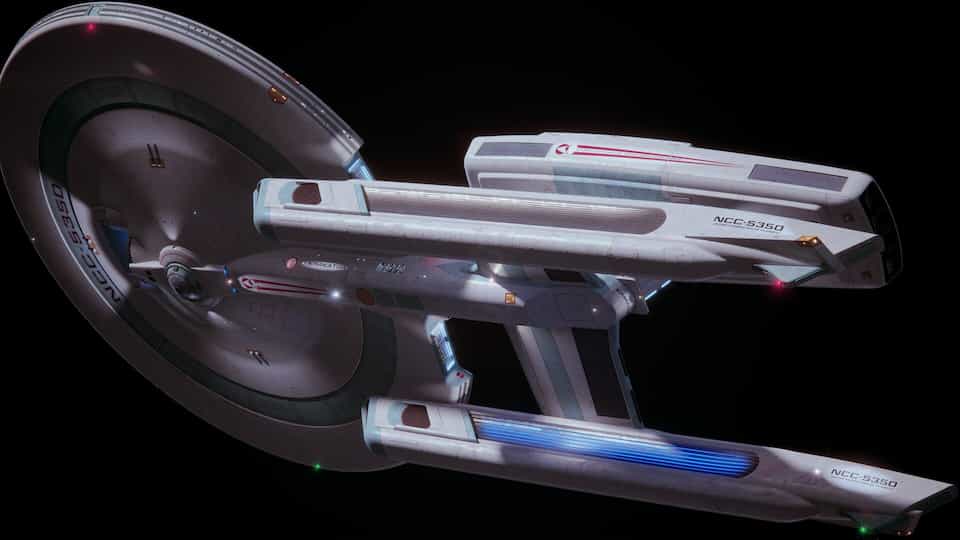
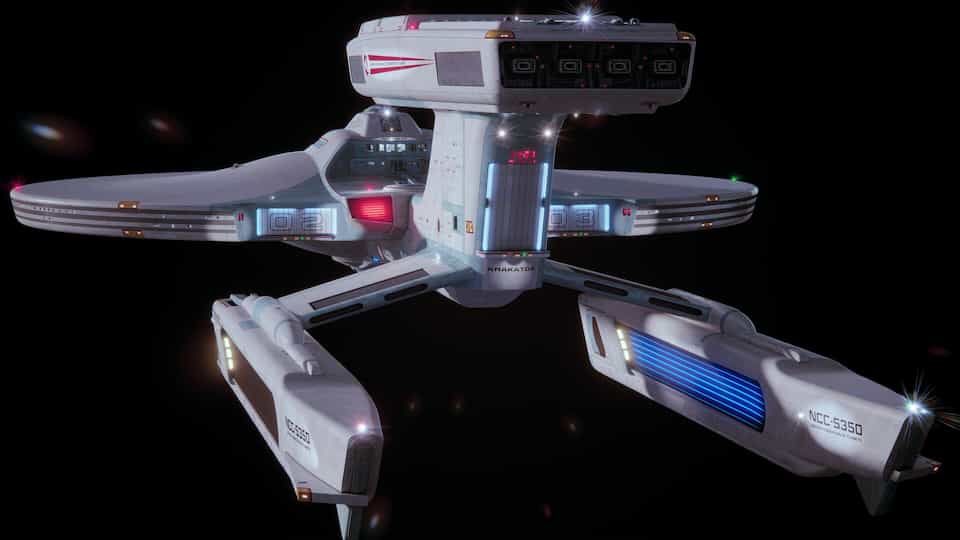
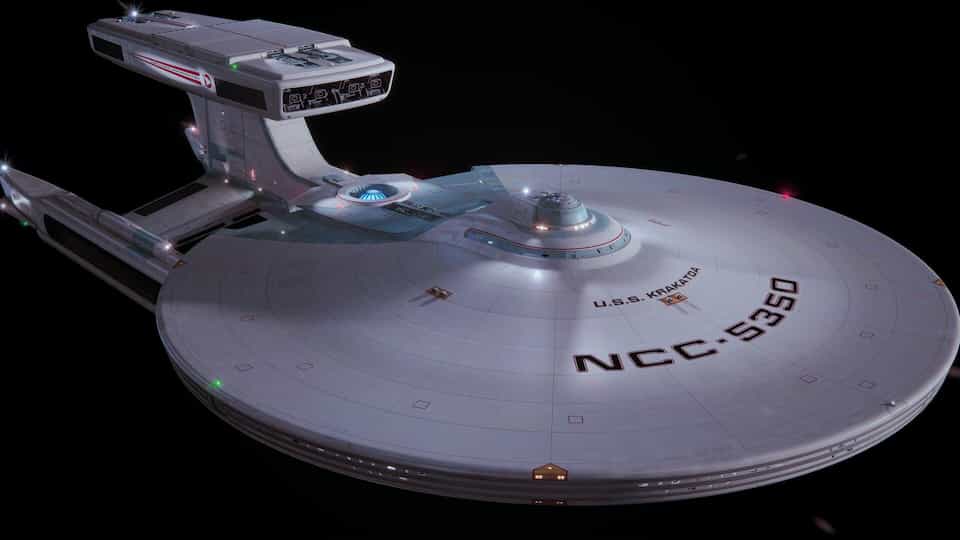
But here's the thing - his professional work, impressive as it is, barely hints at what he's capable of when left to his own devices on personal projects. His YouTube channel and ArtStation portfolio showcase fully rendered, animated starship sequences that genuinely rival what we see in official productions.
The Technical Wizardry Behind the Magic
What separates Howard's work from typical fan renders isn't just talent, though there's certainly plenty of that. It's his deep understanding of how real cinematography works, combined with mastery of professional-grade tools that most hobbyists are barely even aware of.
His primary toolkit consists of 3ds Max (currently using 2021 and later versions) paired with V-Ray NEXT and more recent V-Ray iterations, rendered using Optix mode on dual NVIDIA Titan RTX cards. For those unfamiliar with the technical side, this is essentially the same caliber of software used by major VFX houses. The difference is that Howard is doing everything himself - modeling, texturing, lighting, animation, and compositing through After Effects.
But the software is just the beginning. What truly sets his work apart is his obsessive attention to the details that make CGI feel real rather than synthetic. In forum posts on Trek BBS, Howard has discussed his process for replicating the pearlescent paint effects seen on the TMP-era Enterprise refit, describing his solution as "extremely hacky and fake" while acknowledging it "against all reason seems to work really well." This kind of experimental problem-solving - finding unconventional paths to authentic results - defines his approach.
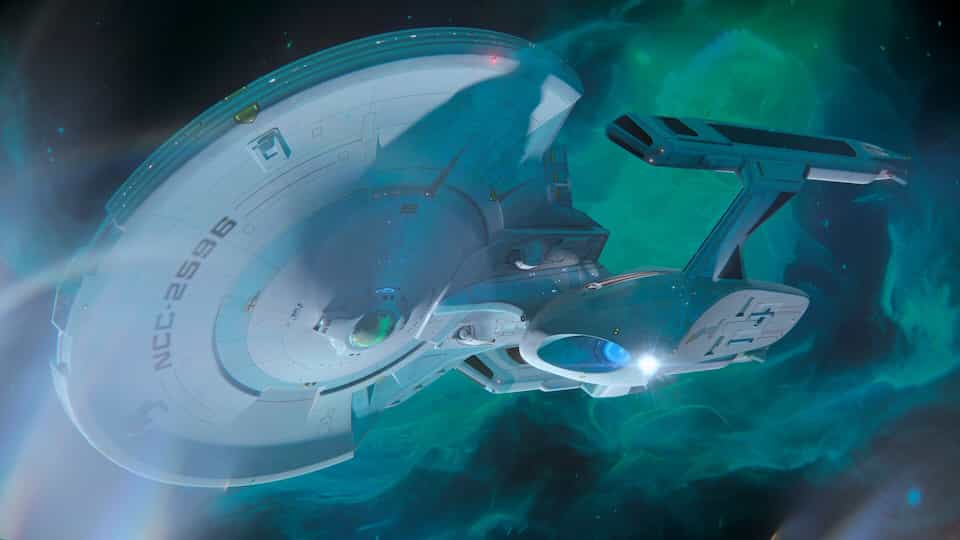
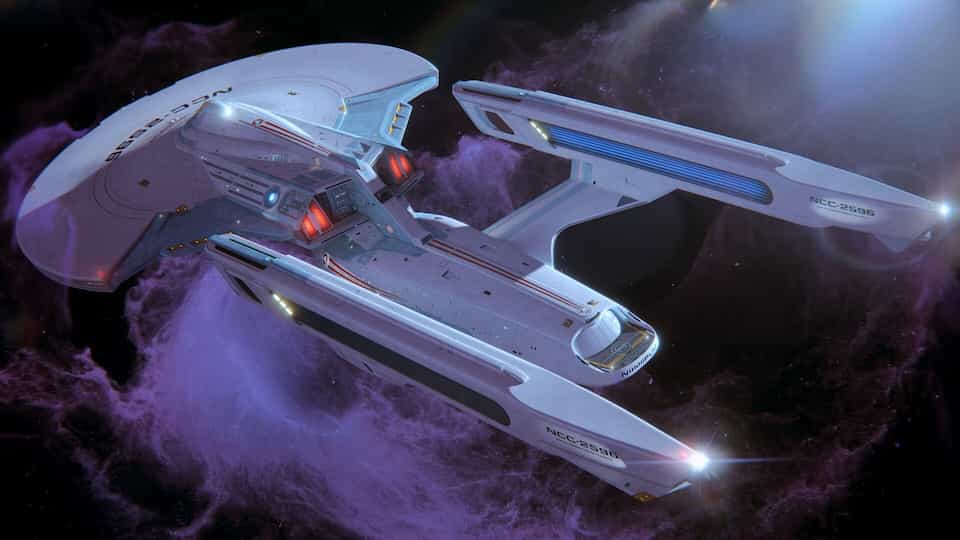
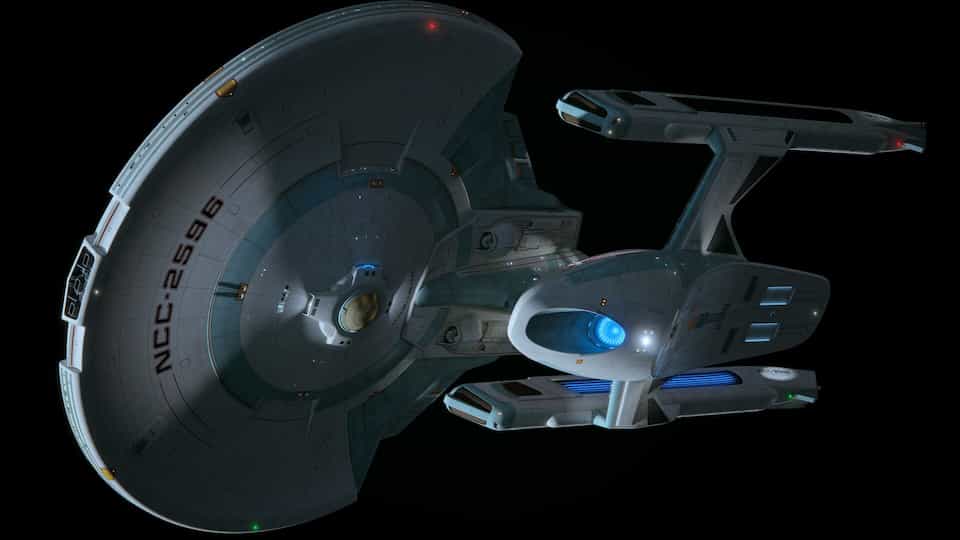
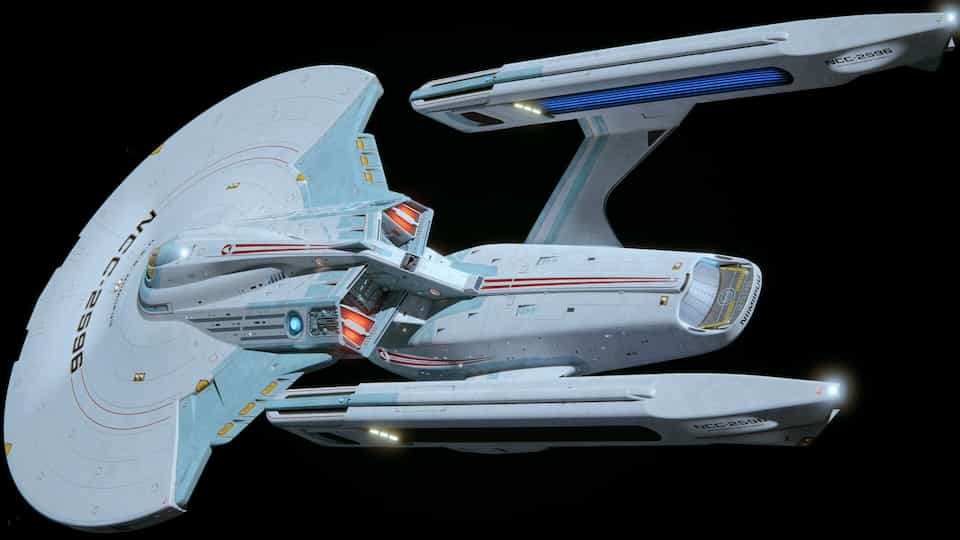
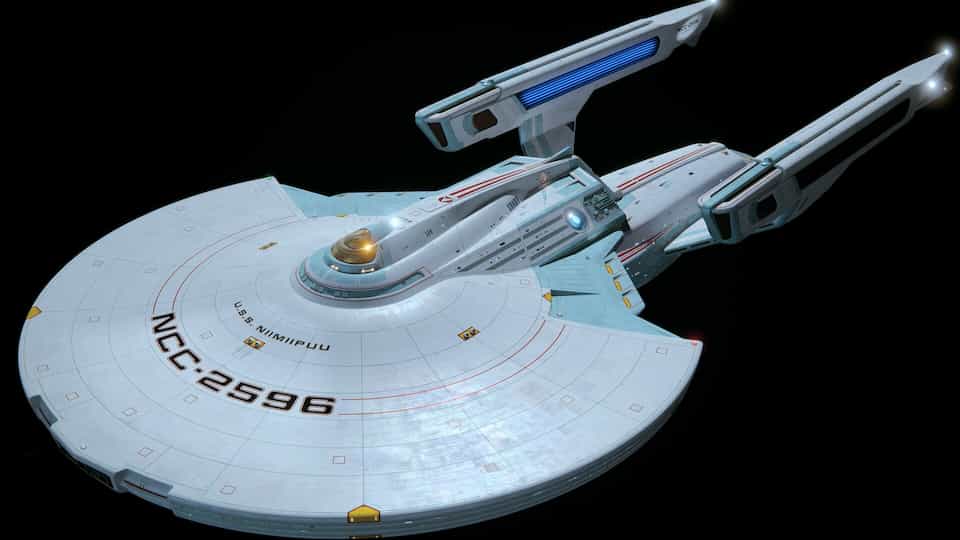
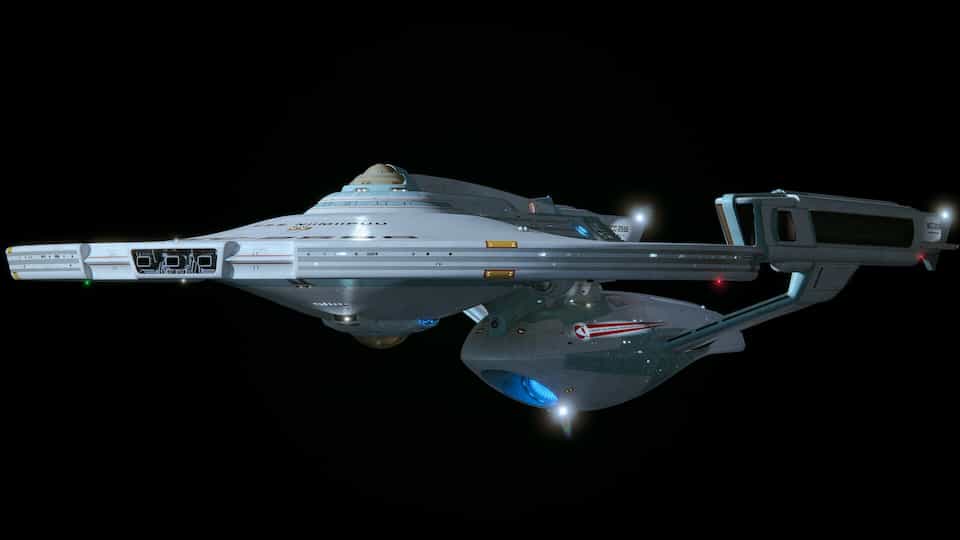
His lighting work deserves special mention. Anyone can slap a few light sources on a 3D model and call it done. But Howard treats every scene like a cinematographer would, considering how light interacts with hull materials, how engine glows cast subtle illumination on nearby surfaces, how the cold void of space creates contrast that draws your eye exactly where the shot demands.
The Ships Themselves
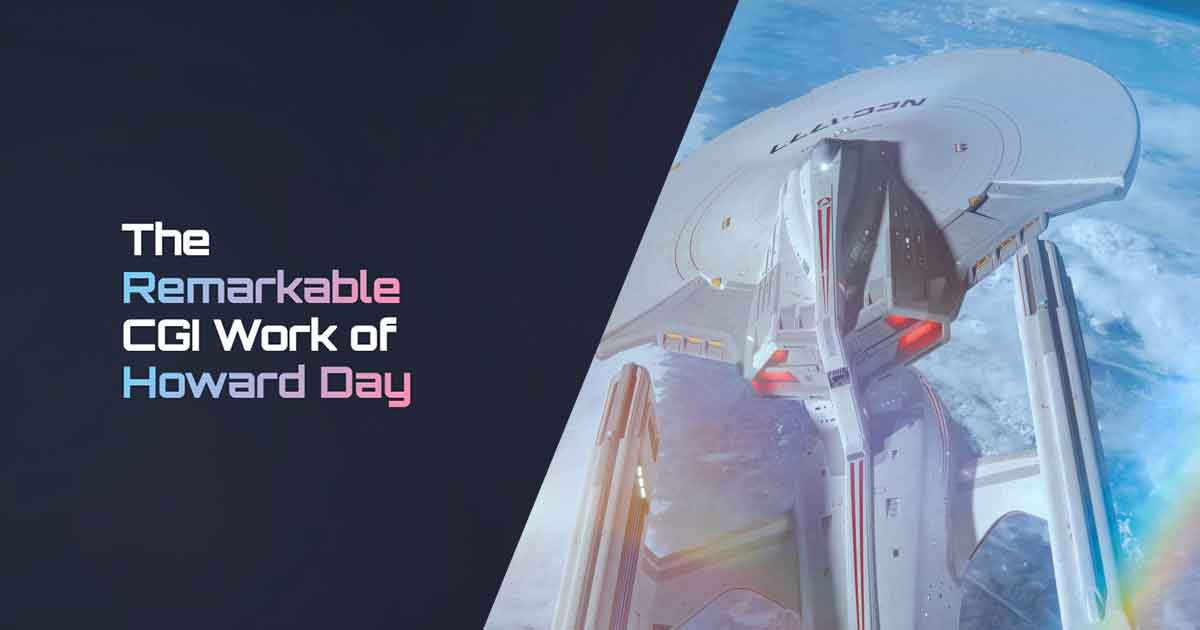
Howard doesn't limit himself to recreating existing designs, though his versions of classic Trek vessels are stunning in their own right. He's produced gorgeous renders of TMP-era Enterprises, Klingon Birds-of-Prey, and deep-cut designs like the Okinawa-class from Star Fleet Command games. His Shangri-La class work coincided beautifully with Picard Season 3's release, showcasing his ability to work at the same quality level as official productions.
But some of his most impressive work involves original designs or heavily modified interpretations. His TMP-era Romulan Warbird, based on concepts by fellow artist Atolm, demonstrates how he can take someone else's design and elevate it to production-ready quality. The USS Fortitude commission shows his ability to create entirely new Starfleet vessels that feel canonically appropriate while bringing fresh design sensibilities.
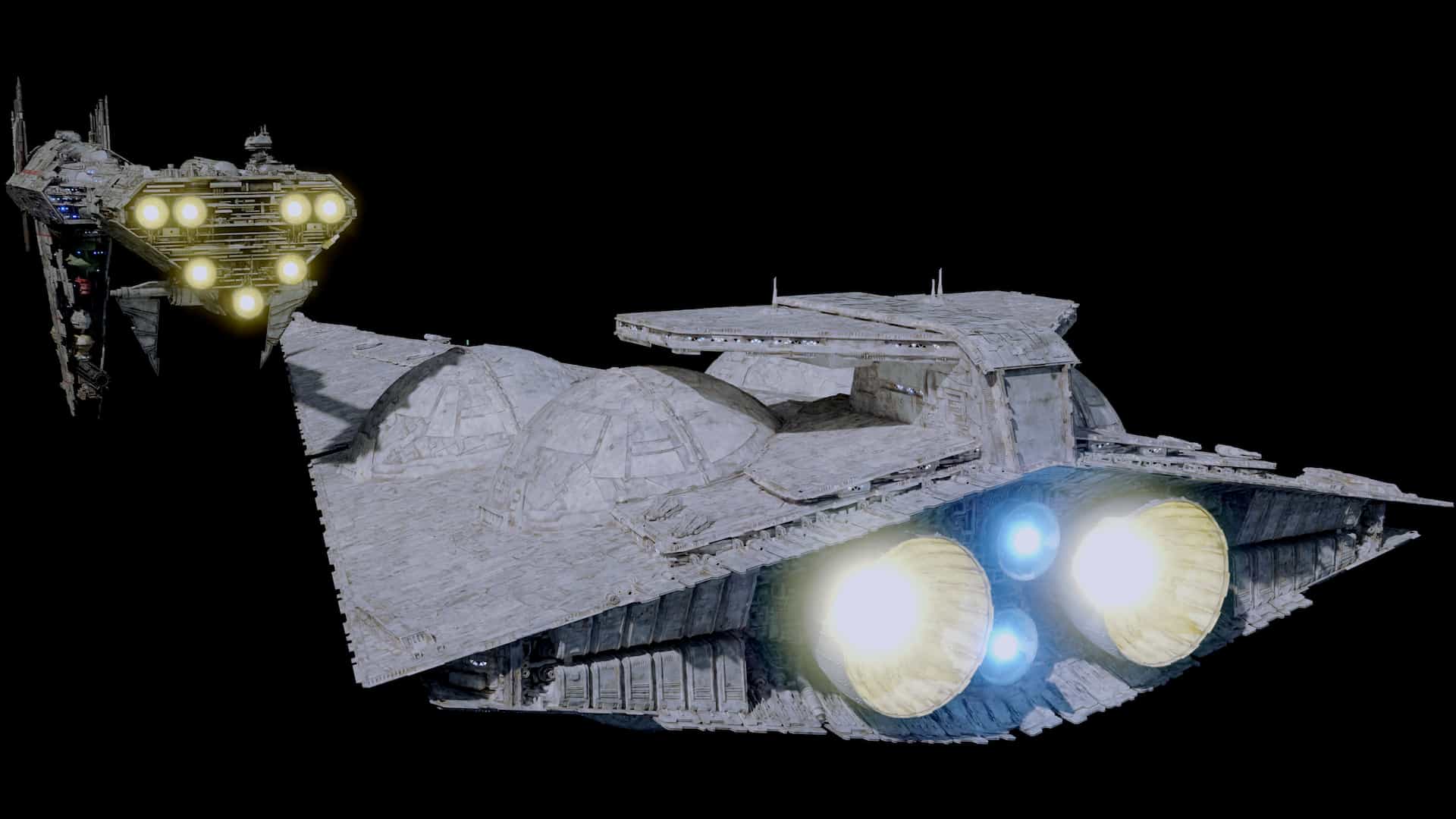
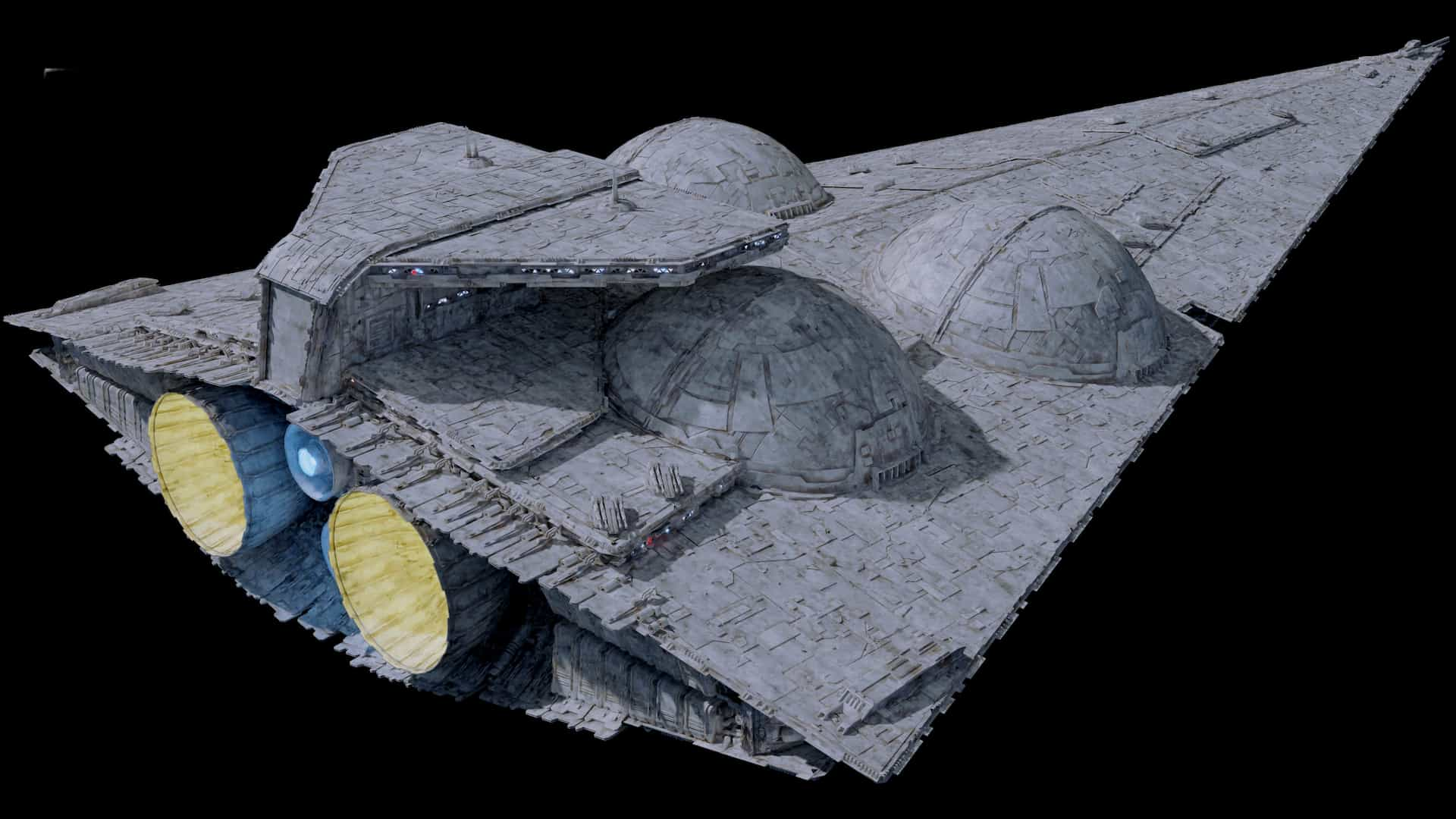
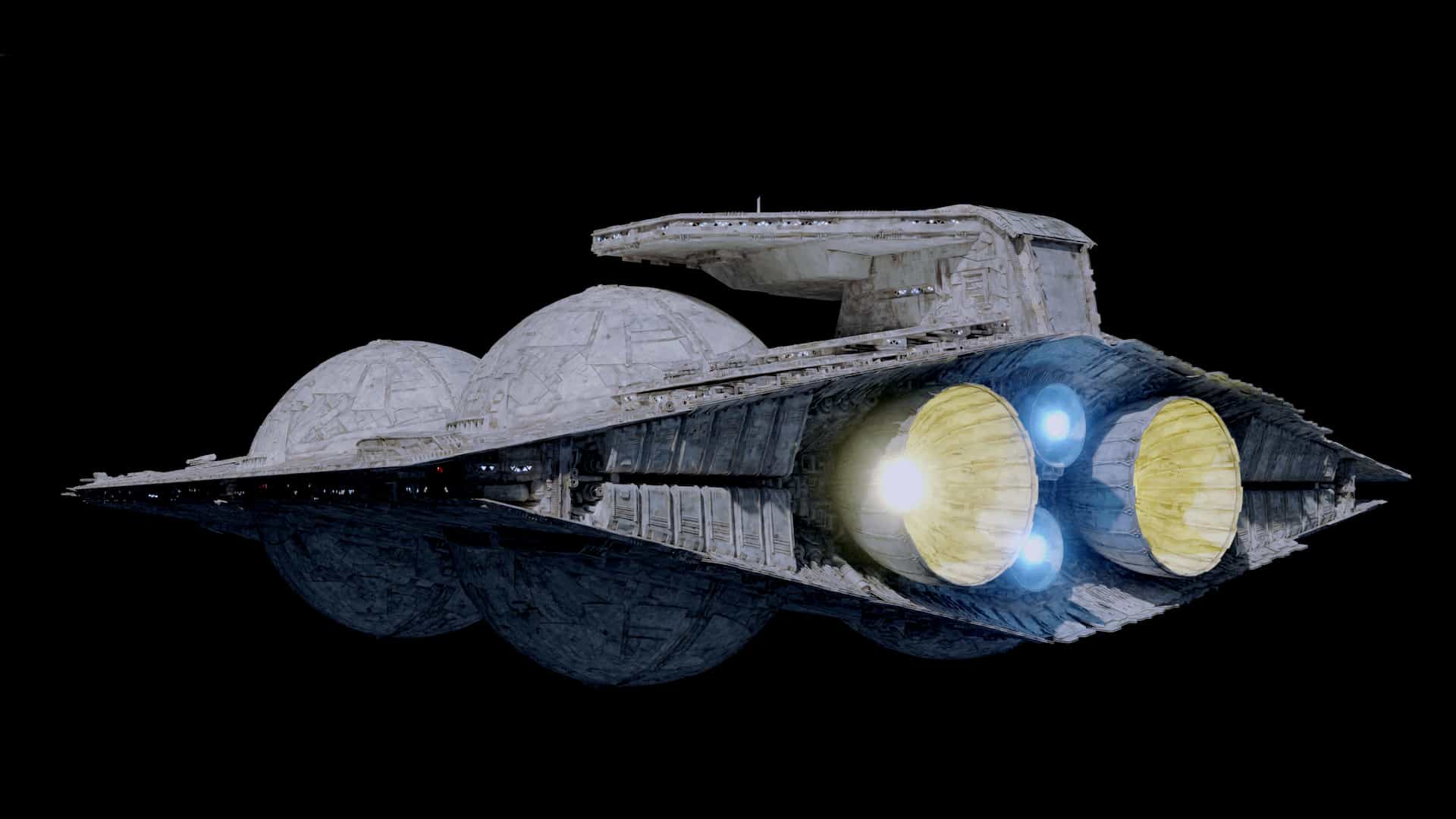
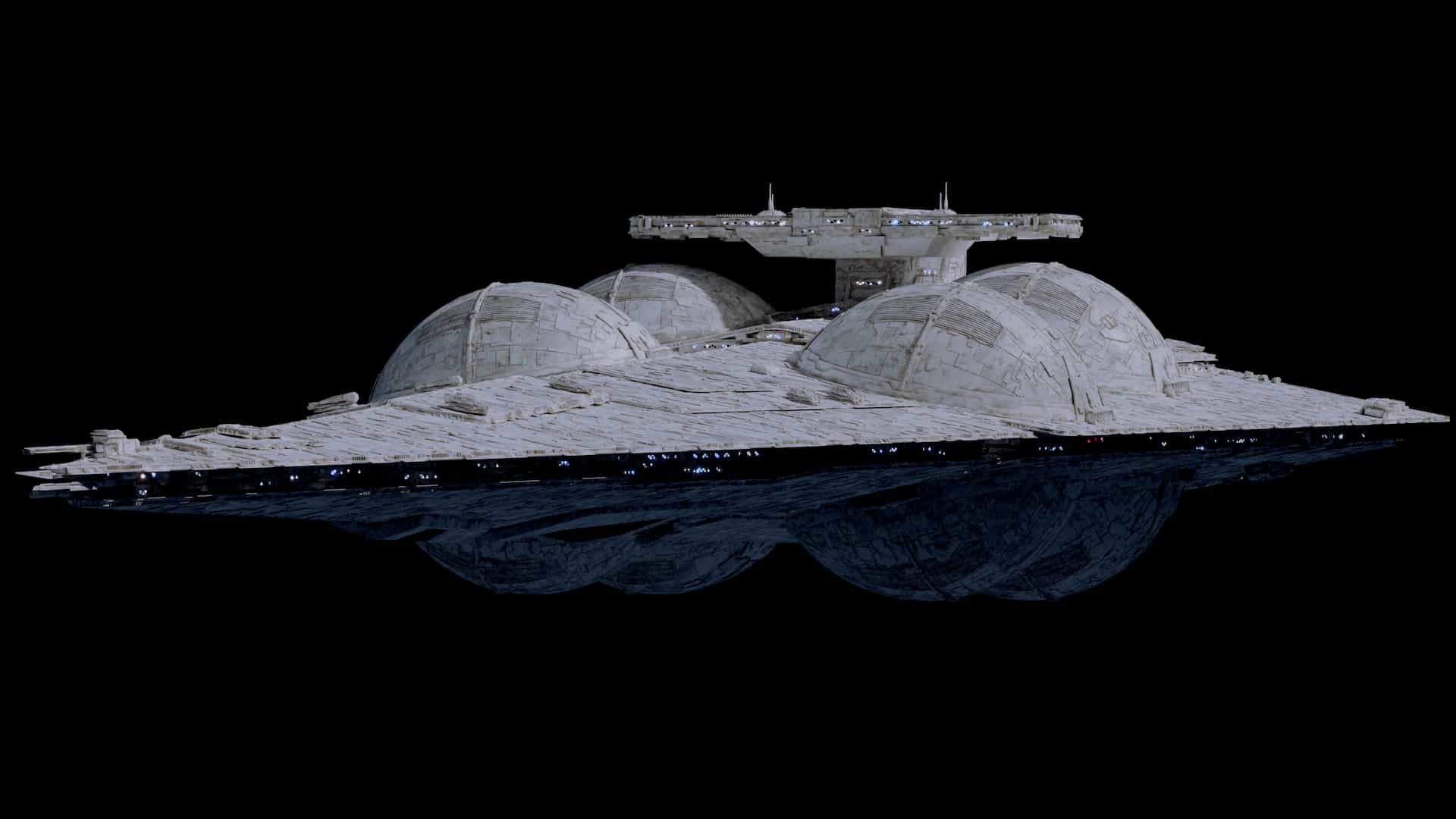
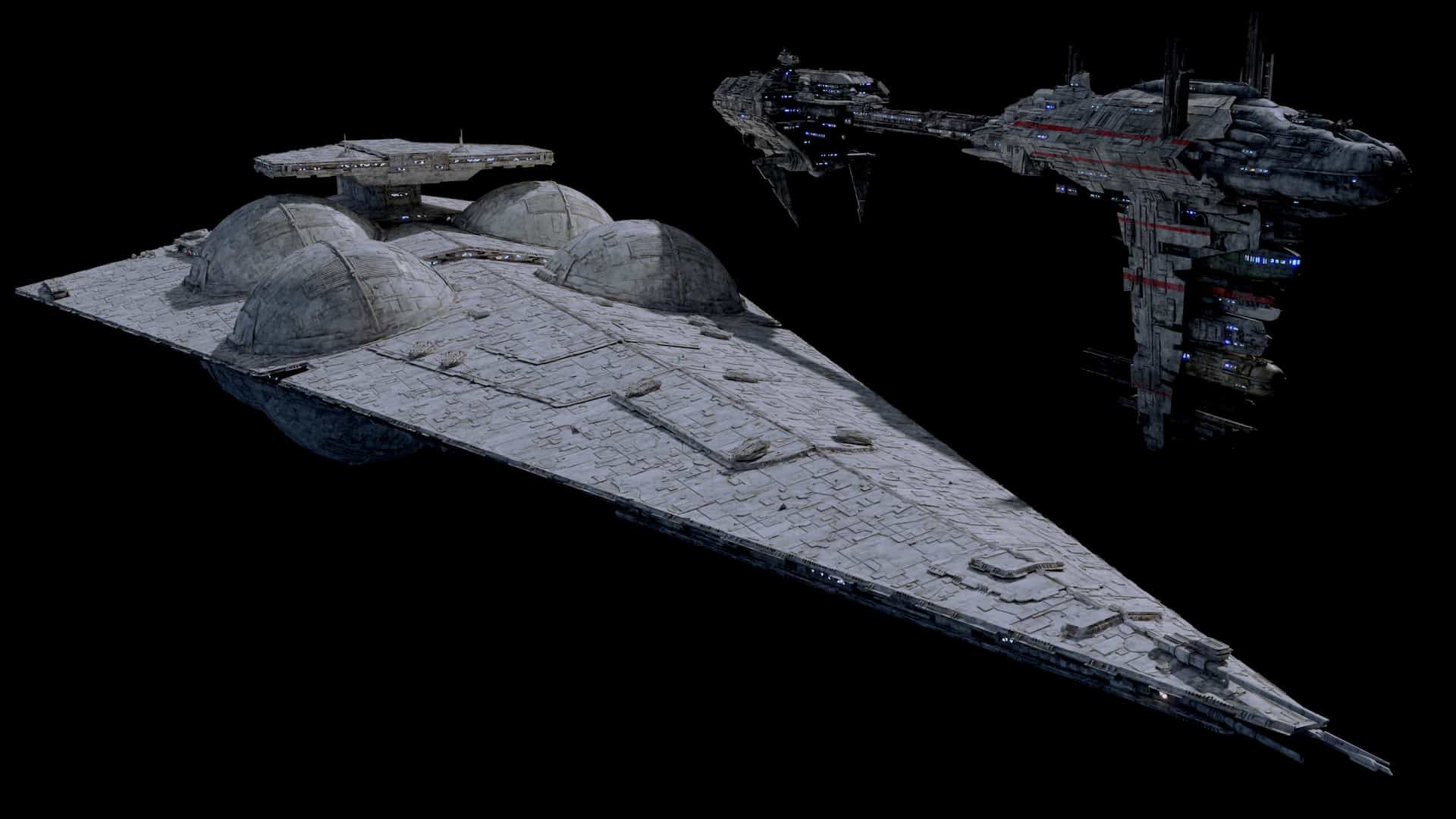
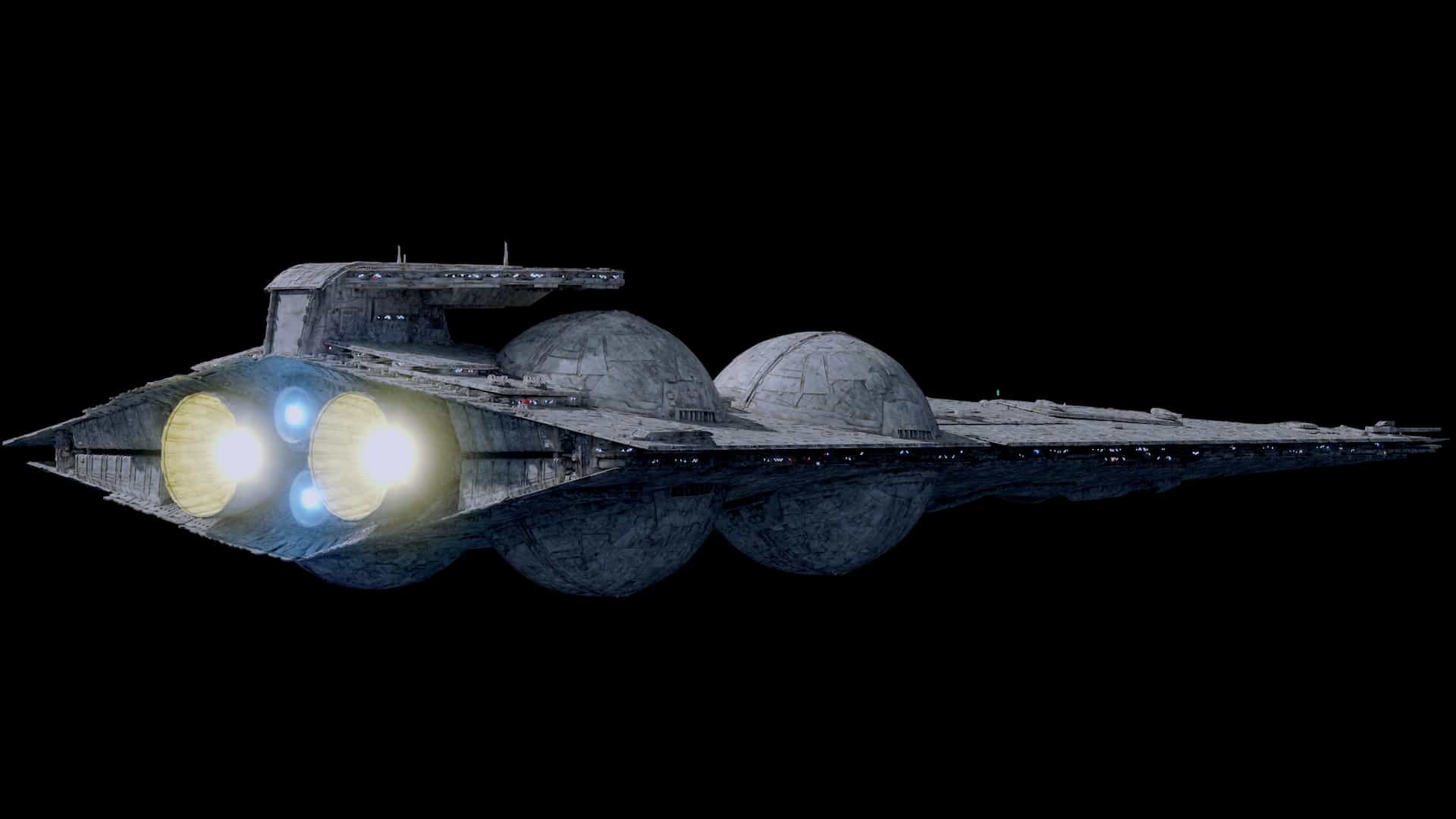
On the Star Wars side, his Corellian CR133 Frigate represents original ship design that fits seamlessly into the established universe. At 166 meters long, slightly larger than the iconic CR90 Blockade Runner, it's the kind of vessel you could imagine appearing in a Disney+ series. His render times for these projects (45 seconds to just over a minute per frame, depending on complexity) speak to both the efficiency of his workflow and the raw computational power he's harnessing.
Animation That Tells Stories
Static renders are one thing. Bringing ships to life through animation is another challenge entirely, and this is where Howard's work truly shines.
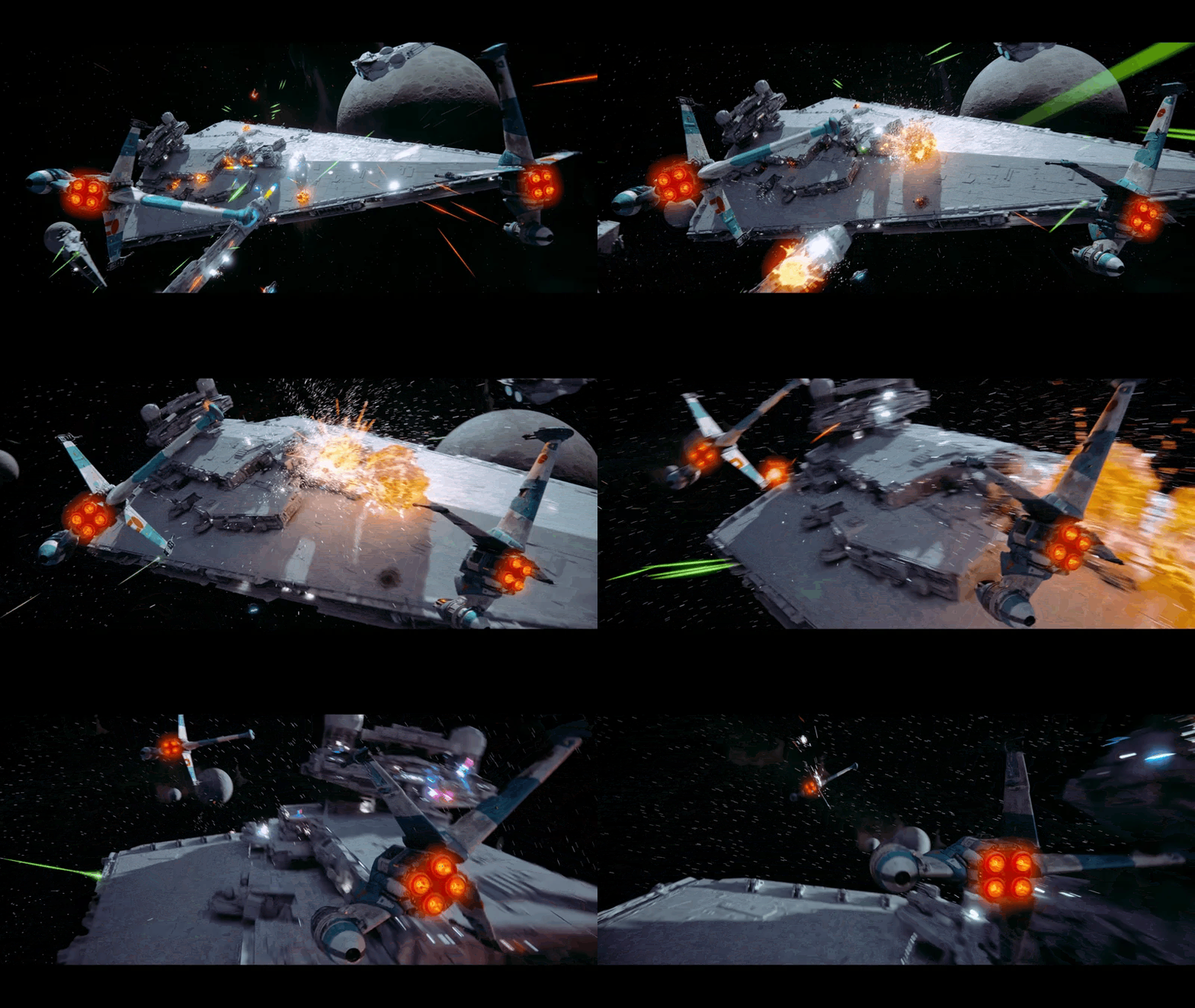
His Bird-of-Prey arrival sequence, his Okinawa-Class Bridge POV videos, his various combat animations - these aren't just technical demonstrations. They're cinematic experiences with pacing, tension, and visual storytelling. The camera moves with purpose. Ships don't just fly through frame; they command attention, revealing themselves dramatically, react to events with weight and consequence.
The AI Question (And Why It's Absurd)
Here's something that recently happened that needs addressing: someone accused Howard's work of being AI-generated.
Let that sink in for a moment. Work that involves custom 3D modeling at polygon counts in the tens of millions. Work that requires deep understanding of physically-based rendering, UV mapping, material creation, and animation principles. Work that Howard has documented extensively through forum posts, work-in-progress screenshots, and behind-the-scenes breakdowns. Someone looked at all of that and thought a text prompt could produce it.
This accusation says more about how impressive Howard's output is than anything else. His work is so polished, so professional, that people literally cannot believe a single person created it. But it also highlights a growing problem in the digital art community: as AI-generated imagery proliferates, genuinely skilled artists face increasing skepticism about work that took them years to learn how to create.
For the record: Howard Day's work is entirely hand-crafted using industry-standard 3D software. Every vertex was placed intentionally. Every material was built from scratch or carefully modified. Every frame was rendered through legitimate ray-tracing calculations. The man has been posting work-in-progress updates, discussing technical challenges, and sharing his techniques with fellow 3D artists for years. His ArtStation portfolio, his YouTube channel, his forum presence - they all document an artist continuously improving his craft through dedicated practice.
Why This Matters
In an era where studios have access to unlimited resources and AI threatens to commoditize creative work, Howard Day represents something increasingly rare: proof that individual vision and dedication can still produce results that stand alongside professional productions and often head and shoulders above them.
His work reminds us that the barrier between "amateur" and "professional" quality has always been about skill and dedication, not access to expensive studio infrastructure. The tools are available. The knowledge can be learned. What separates someone like Howard from the crowd is thousands of hours of practice, an eye for what makes imagery feel cinematic, and the stubborn determination to figure out how to achieve effects that seem impossible for a solo artist.
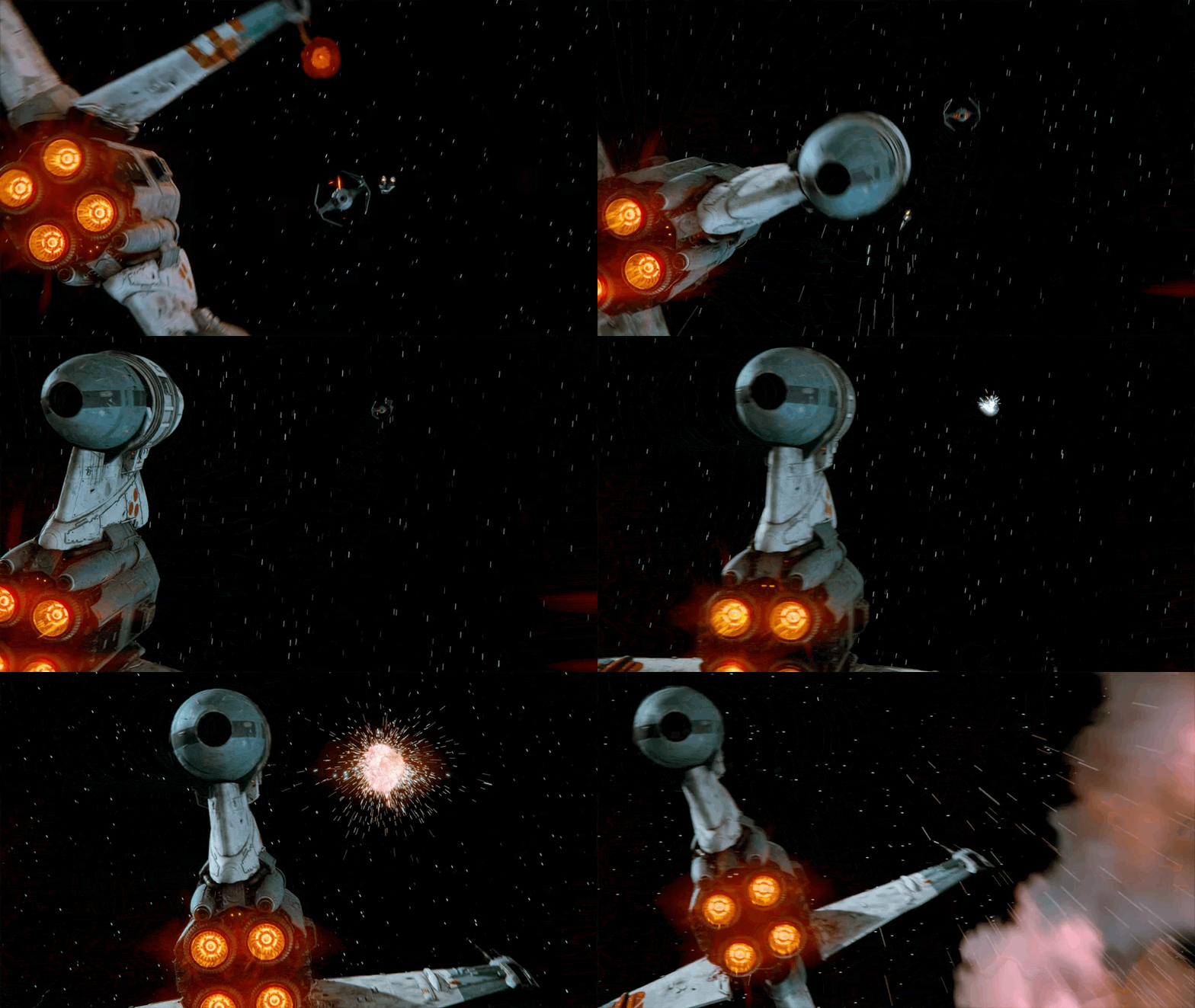
For fans of Star Trek, Star Wars, and sci-fi art in general, his YouTube channel and ArtStation are essential viewing. For aspiring 3D artists, his forum posts and work-in-progress shares offer invaluable insight into professional-level workflows.
And for anyone who's ever wondered what one incredibly talented person can accomplish with a powerful PC and boundless passion? Howard Day is your answer.
Where to Find Howard Day's Work
YouTube: @HowieDay82
ArtStation: howard-day.artstation.com
Twitter/X: @howieeday
Facebook: facebook.com/HEDay
Visit Us On: