Visit Us On:






There's something deeply unsettling about a spaceship that takes months just to get up to speed. Not to its destination - just to cruising velocity. And yet here I am, entirely obsessed with them.
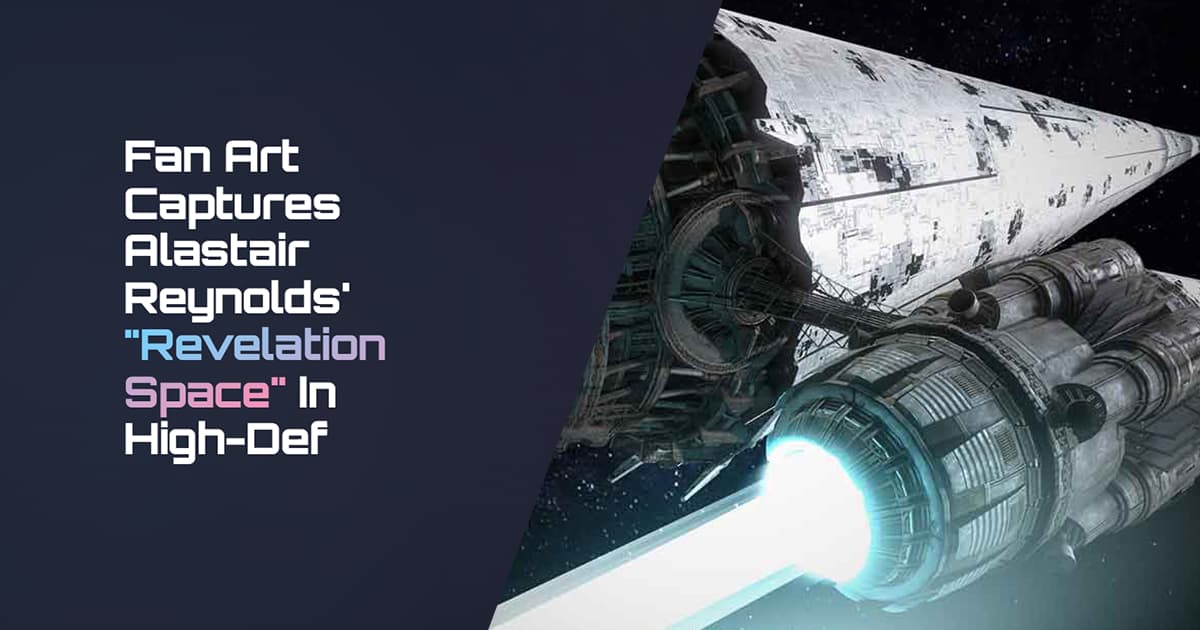
I'm talking about lighthuggers. Alastair Reynolds's magnificent, terrifying, glorious interstellar vessels from the Revelation Space universe. These ships have wormed their way into my imagination and, apparently, into the imaginations of some genuinely talented artists who've brought them to visual life in ways that often exceed what I pictured in my mind's eye while reading the books.
But let's back up.
The Inhibitor Sequence
The Inhibitor Sequence - also called the Revelation Space series - forms the backbone of Reynolds's sprawling future history, and lighthuggers thread through all of it like the interstellar highways they essentially are.
Revelation Space (2000)
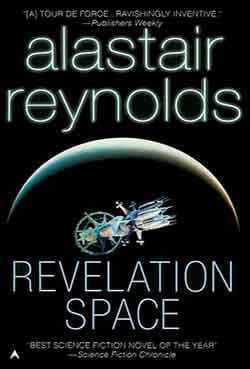
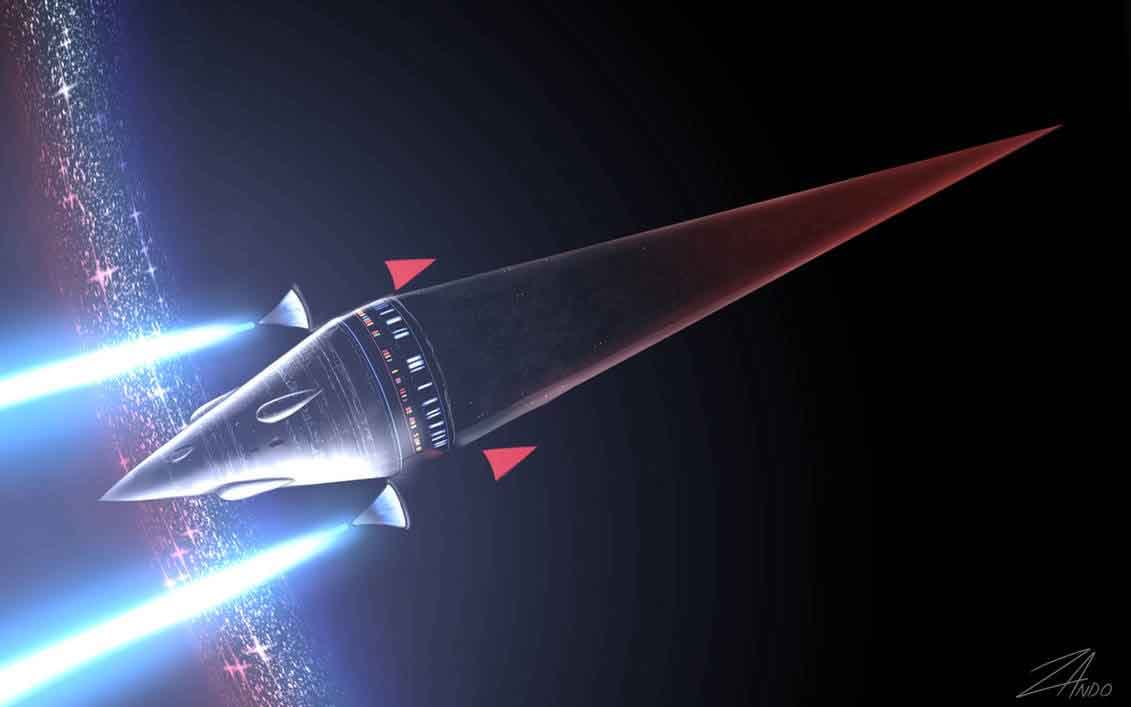
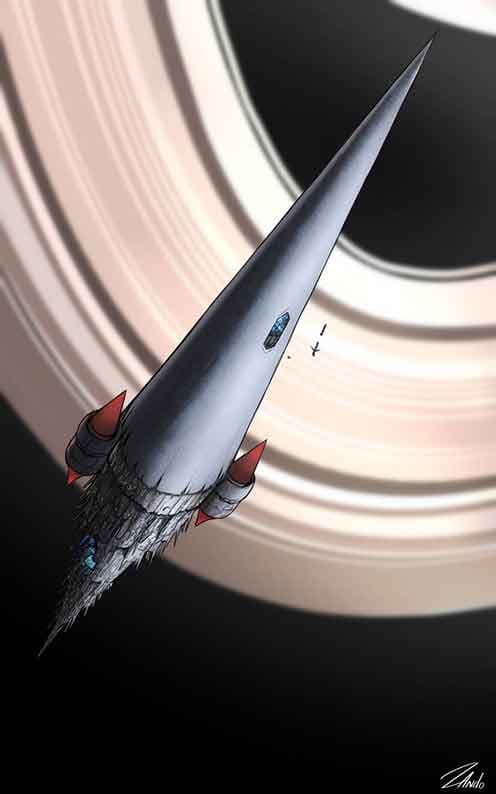
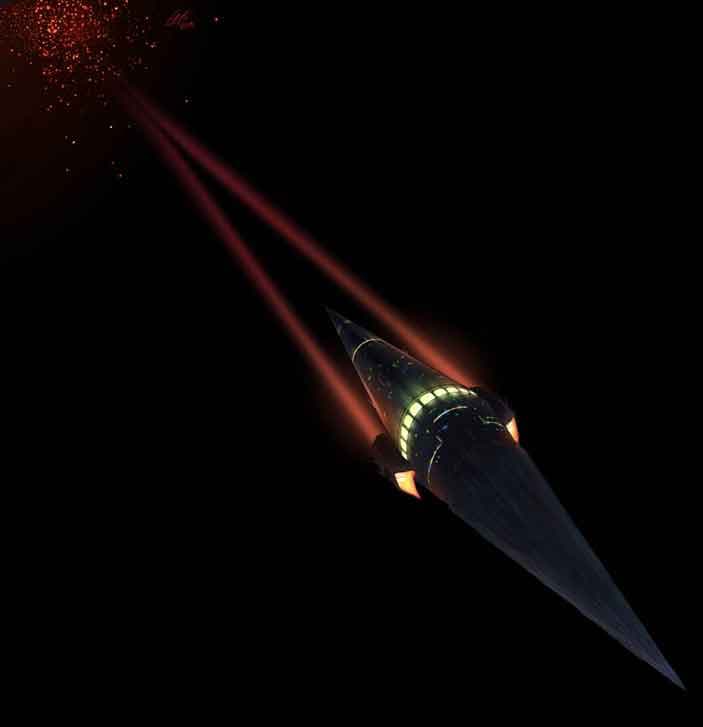
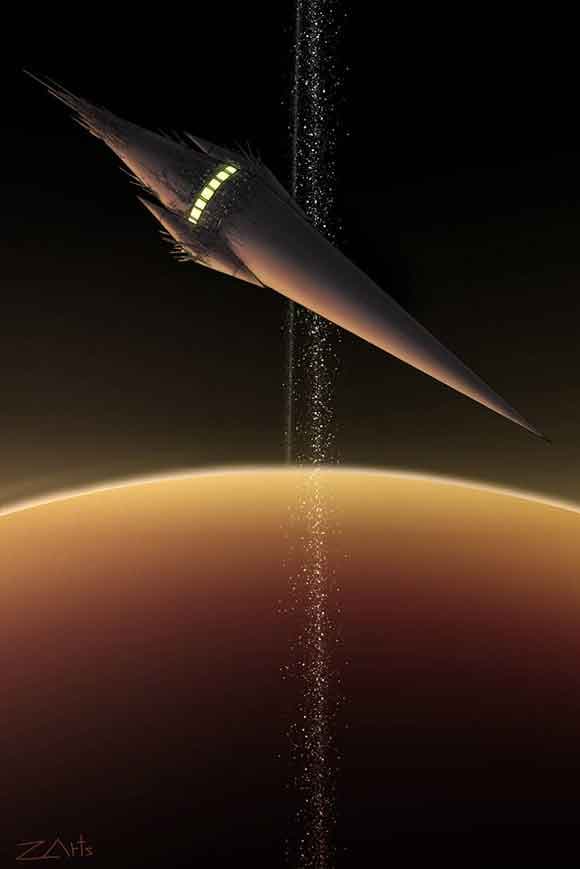
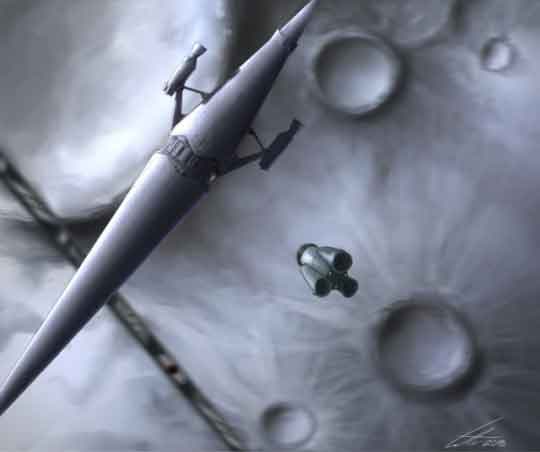
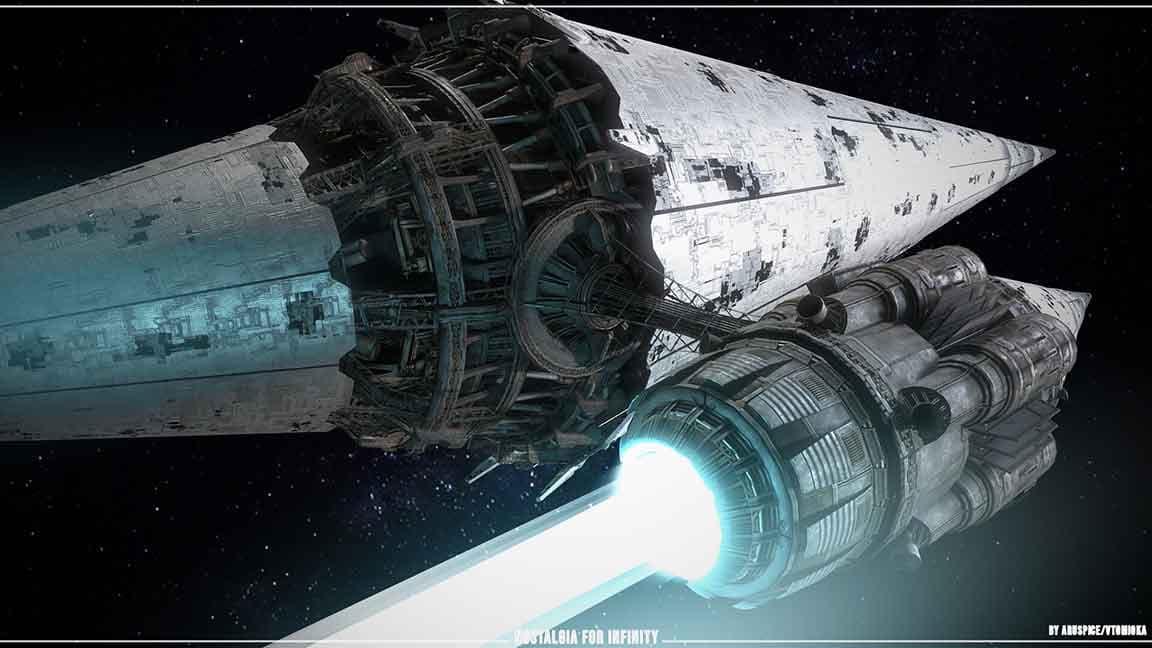
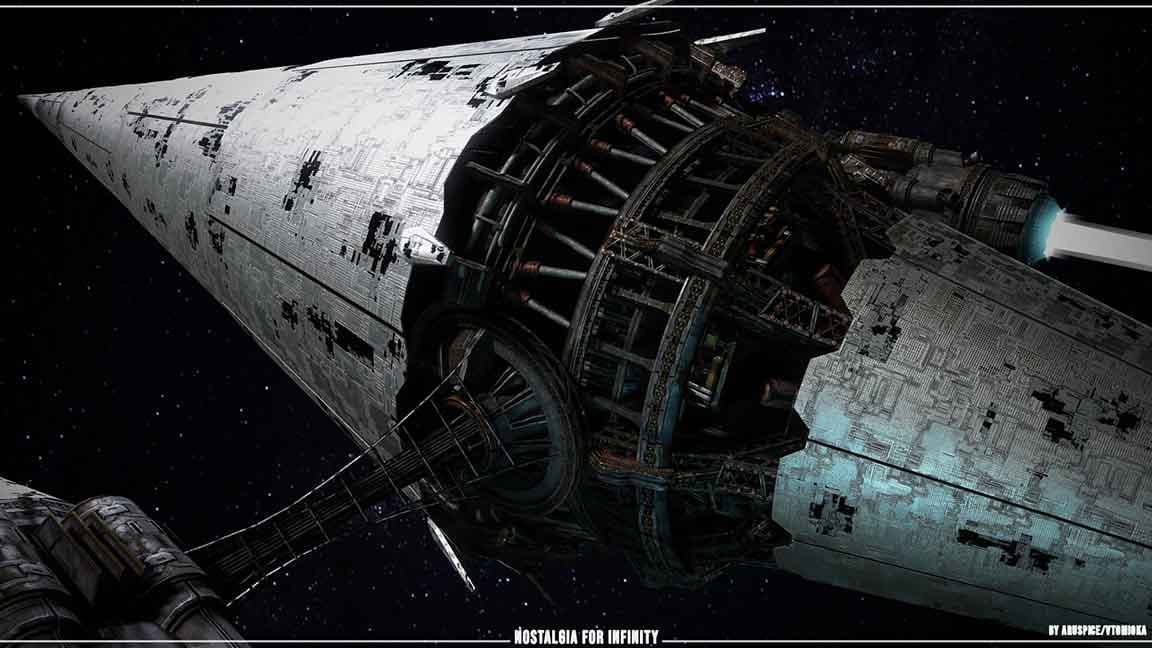
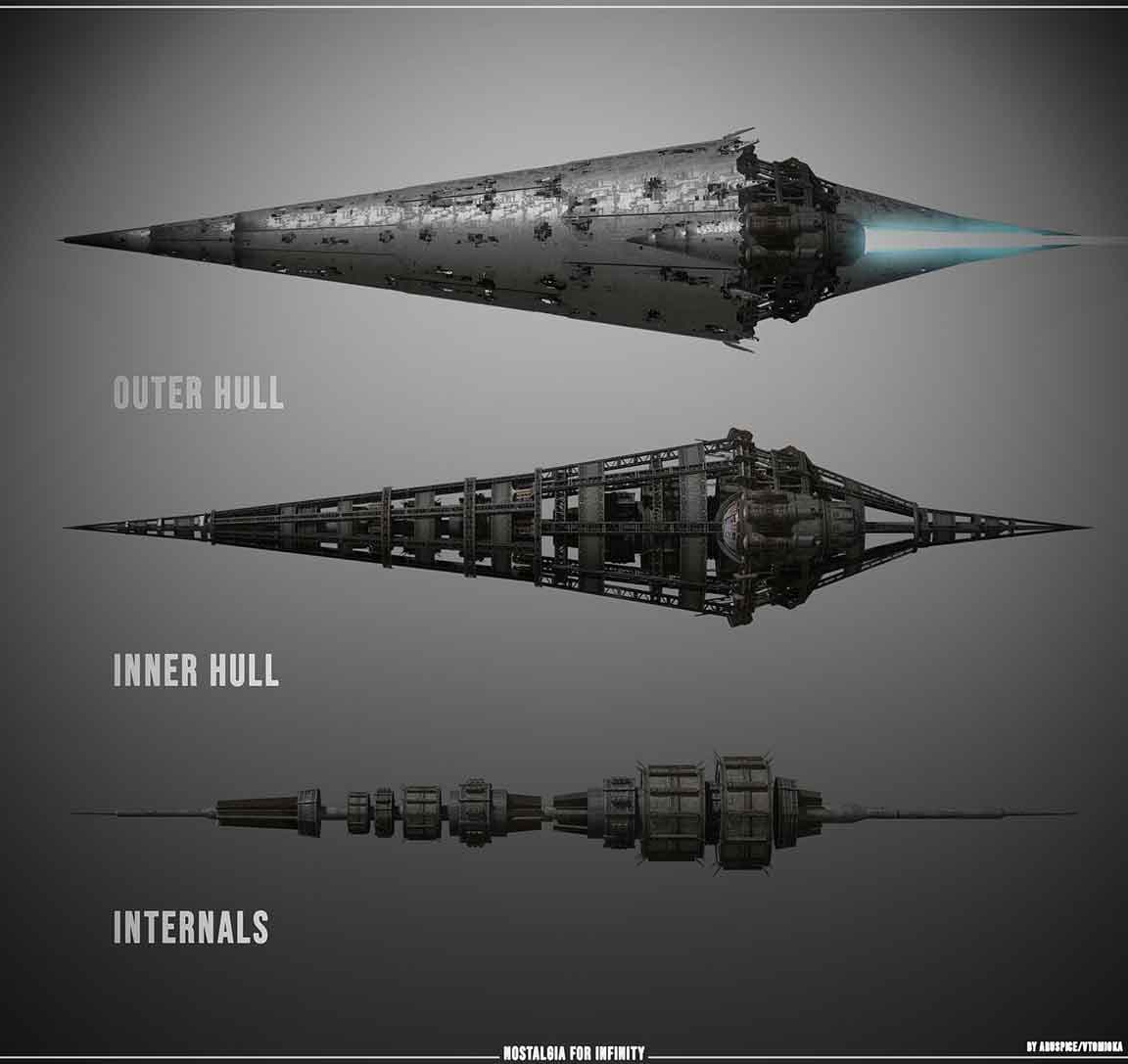
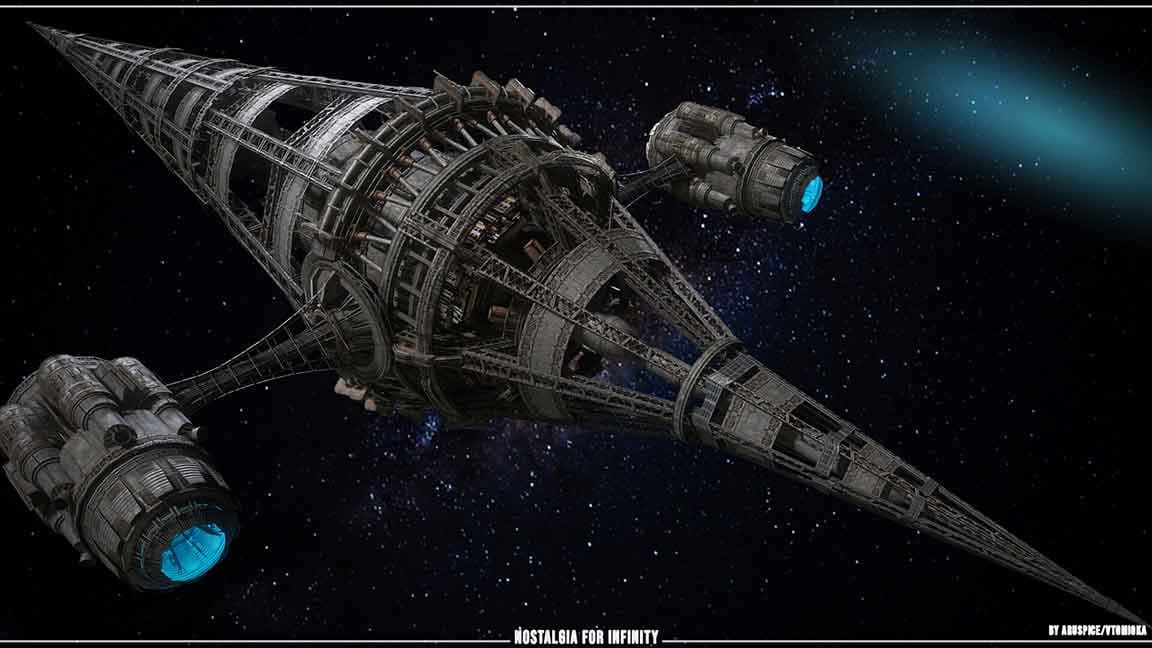
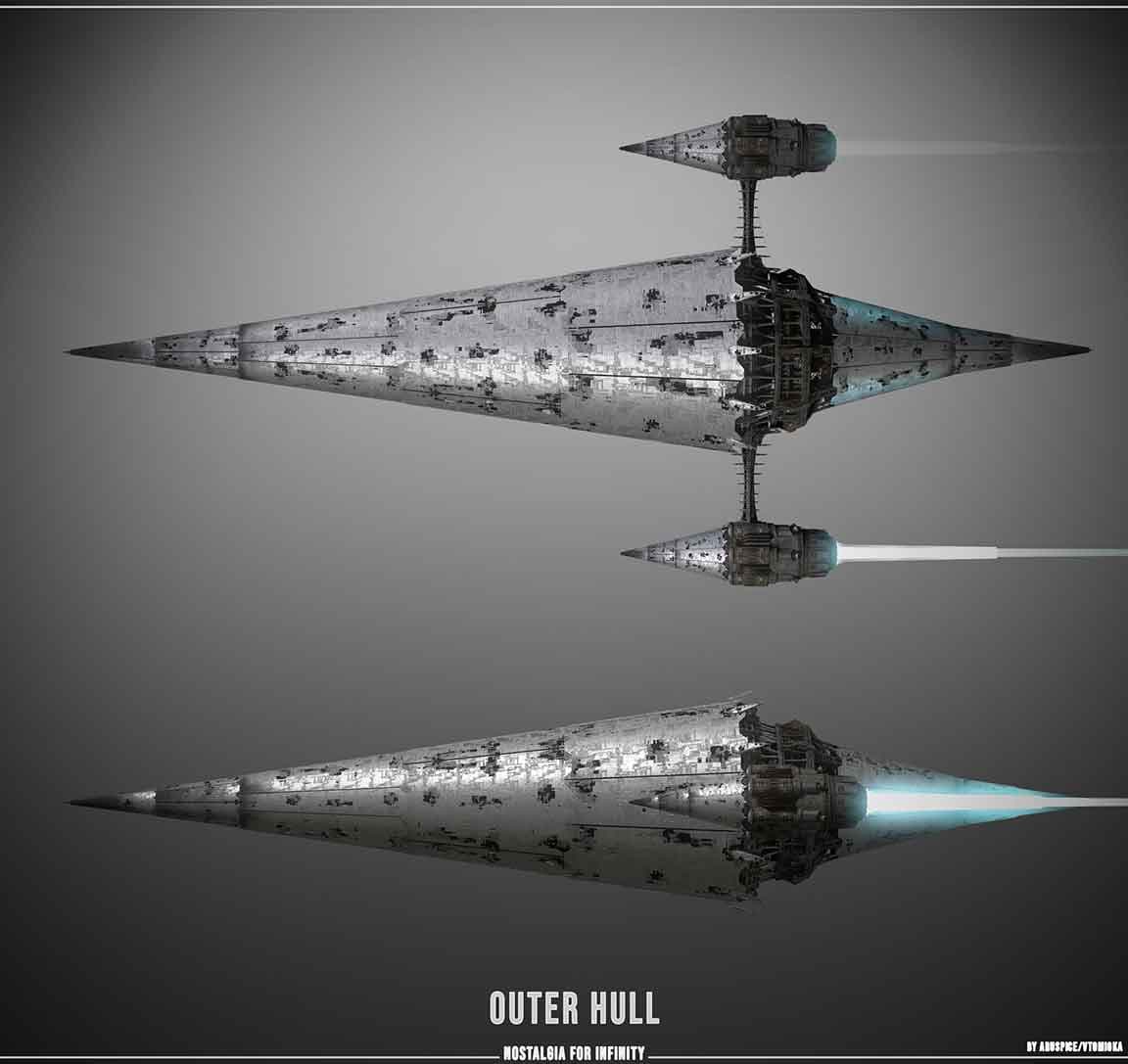
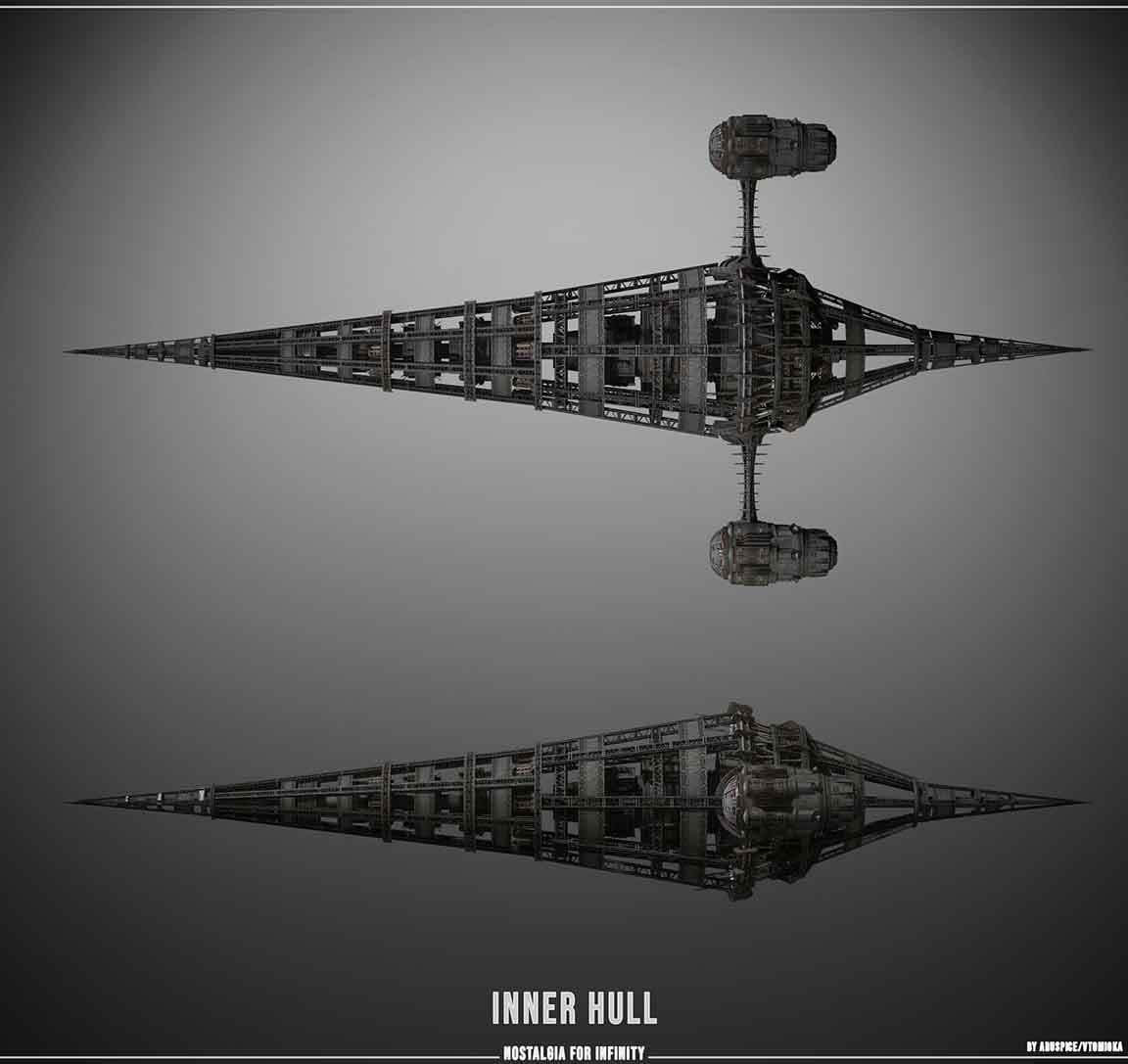
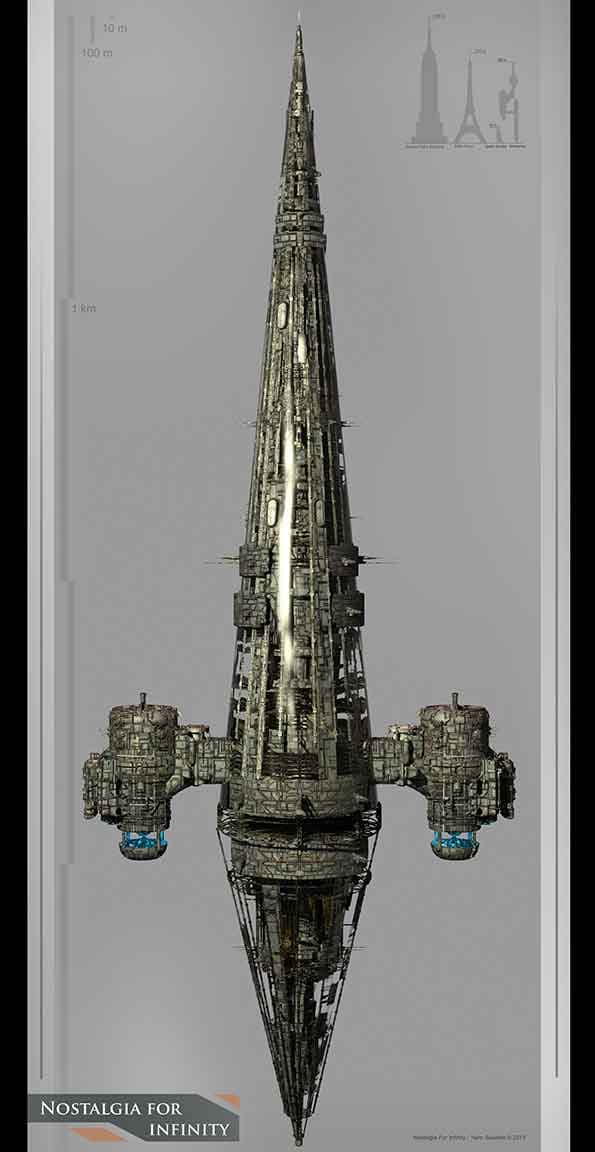
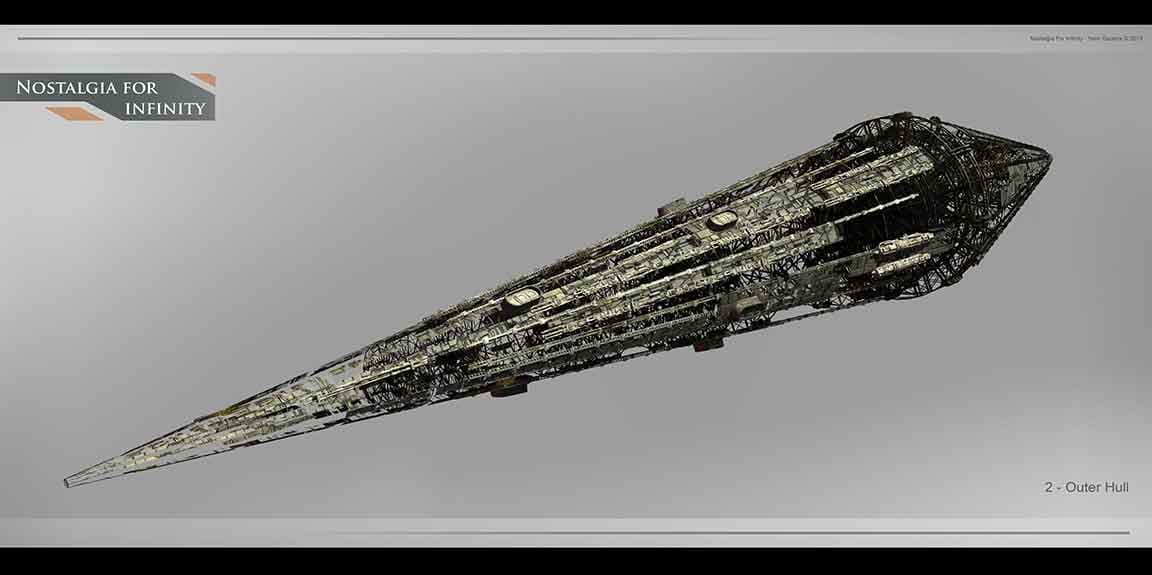
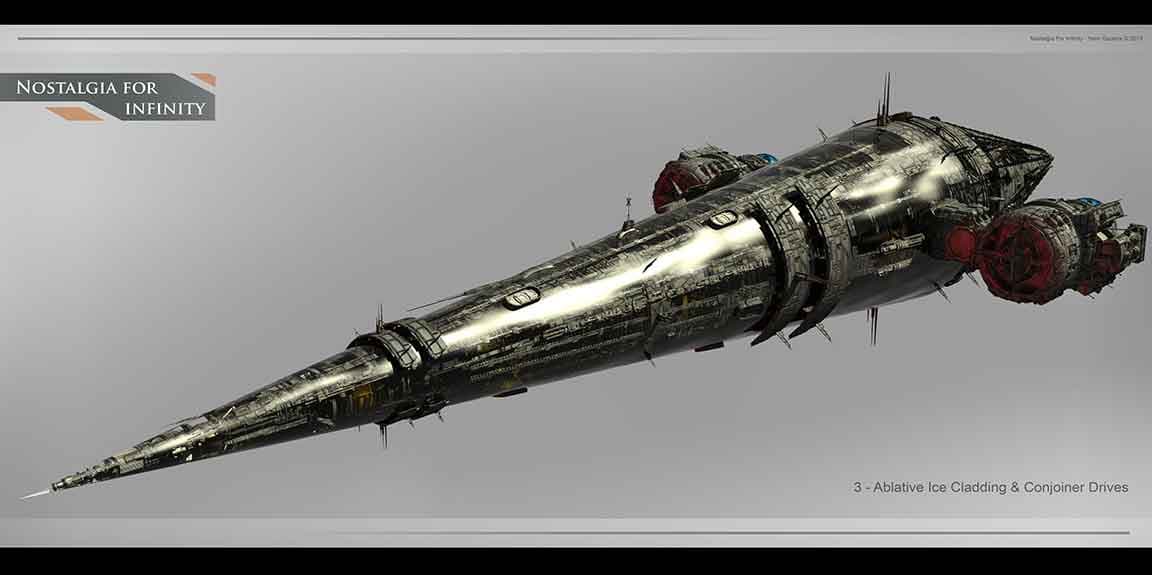
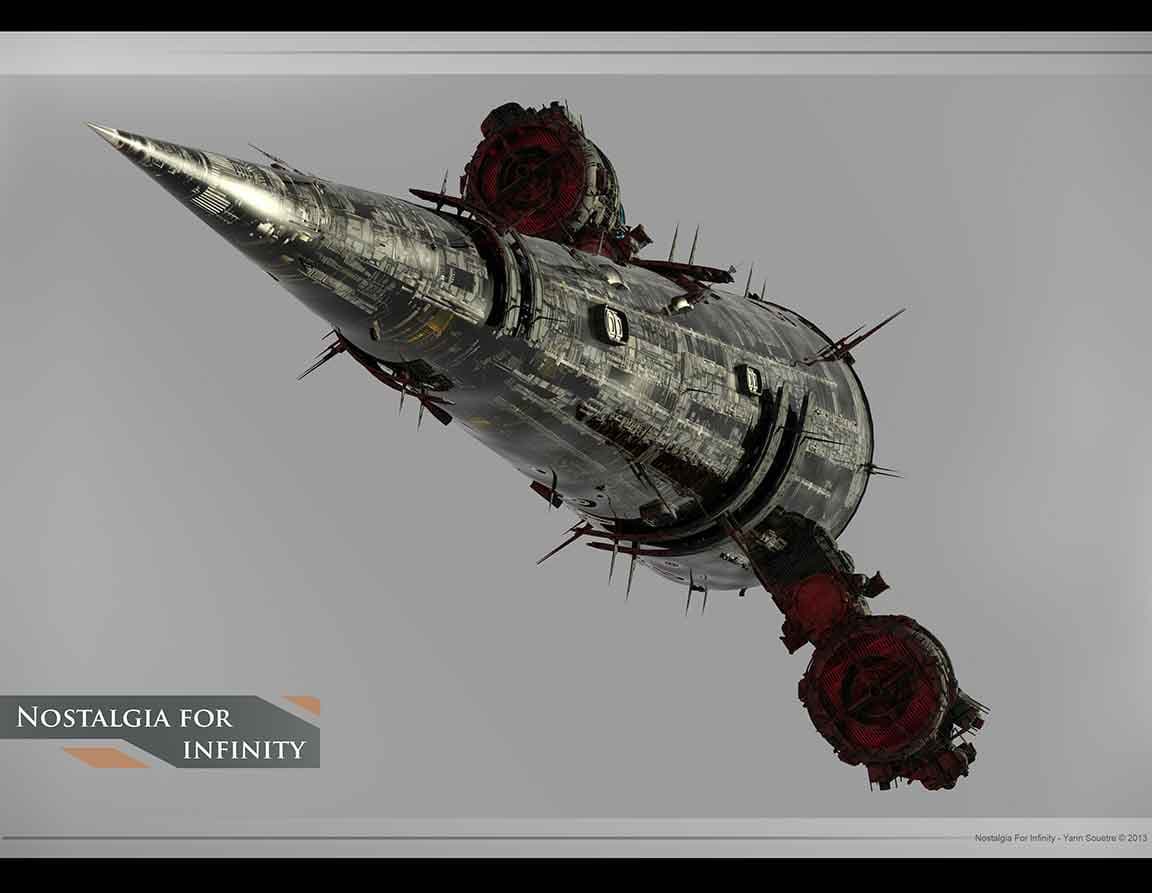
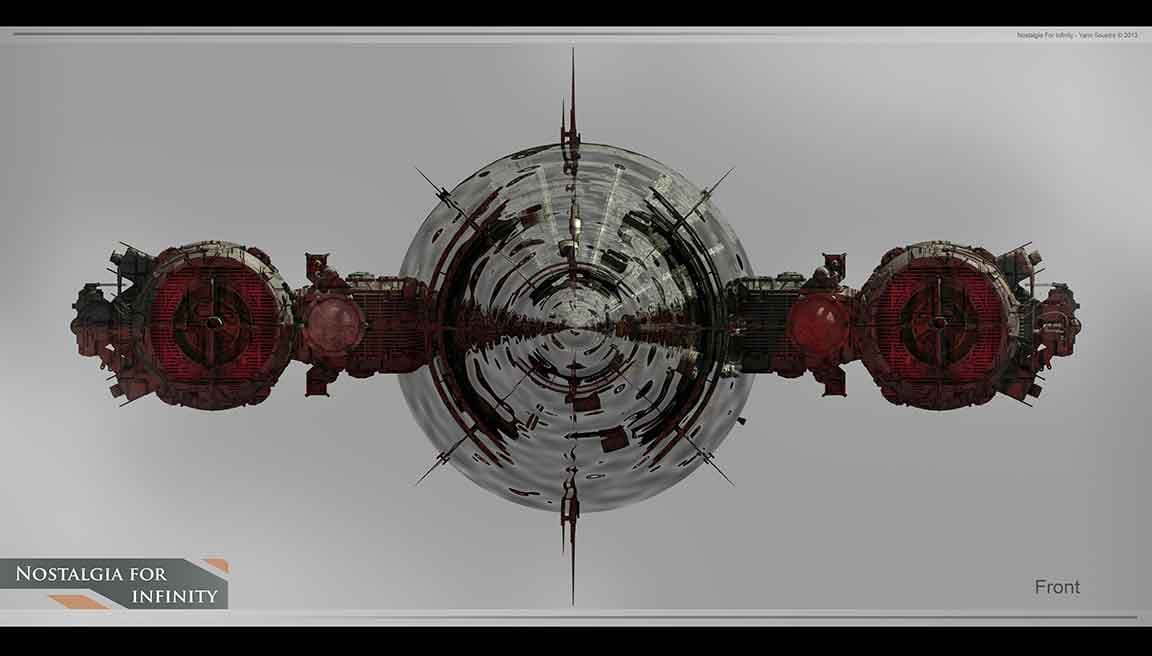
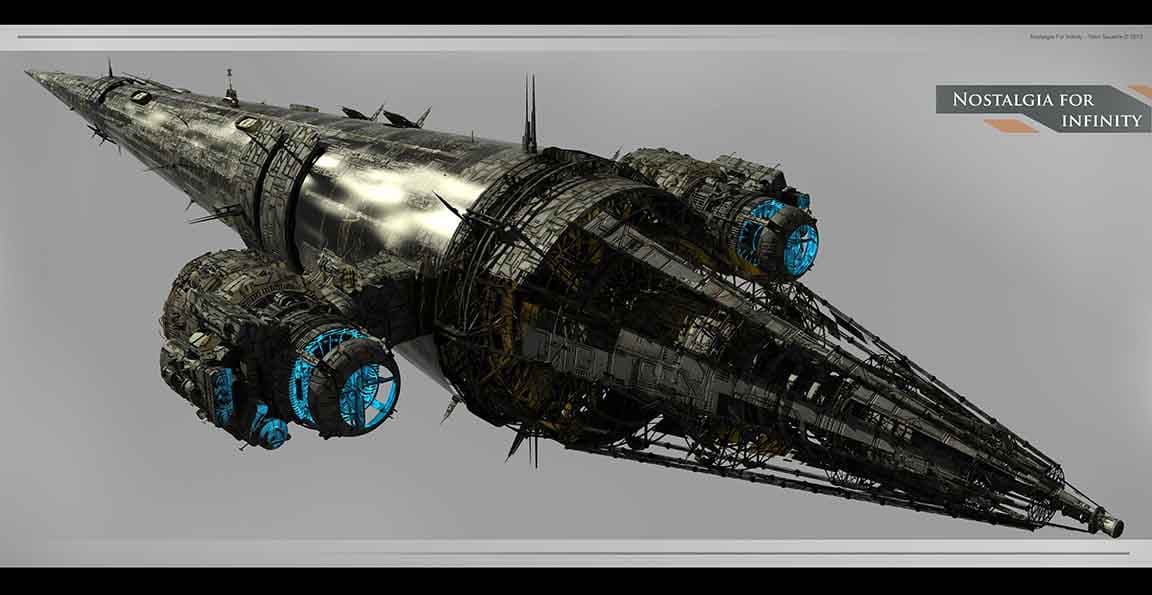
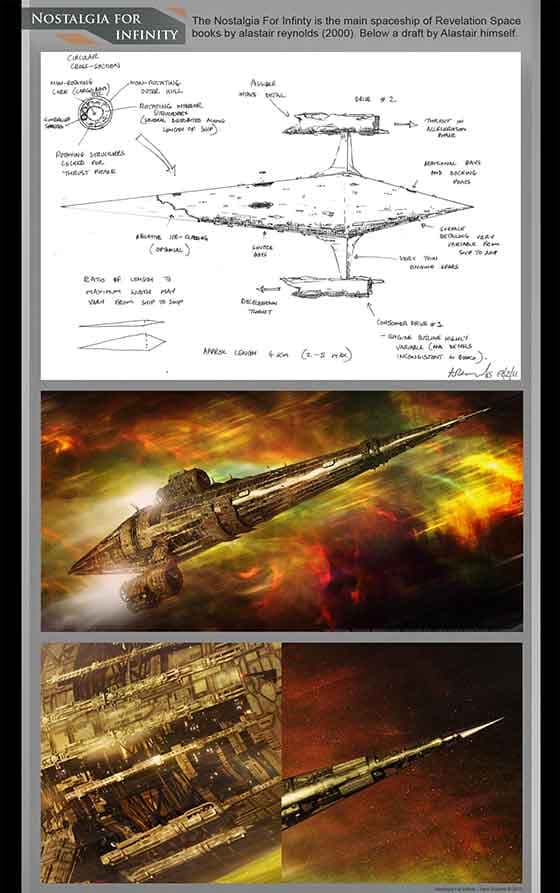
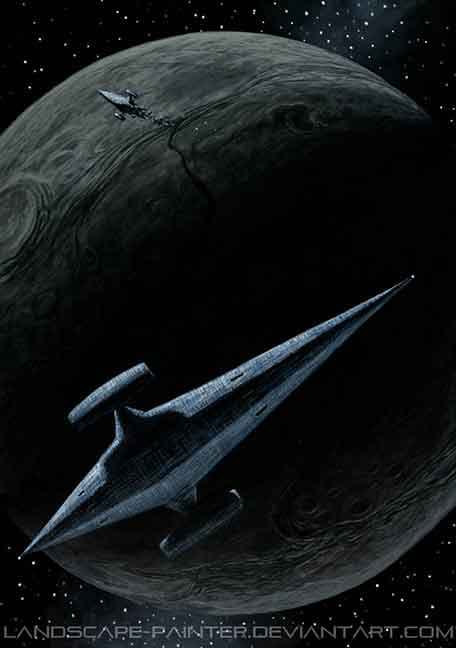
The one that started everything. We meet the Nostalgia for Infinity - a name so perfectly melancholic it hurts - and its skeleton crew of Ultras. The ship itself is a character in the story. Four kilometers of ice-sheathed hull, tapering to a needle point, with mysterious Conjoiner drives mounted on swept-back spars like some kind of Gothic cathedral crossed with a dagger. Reynolds describes them as looking like they're built to punch through a gale, which they essentially are. At near-lightspeed, interstellar space isn't empty anymore. It's a screaming wind of particles.
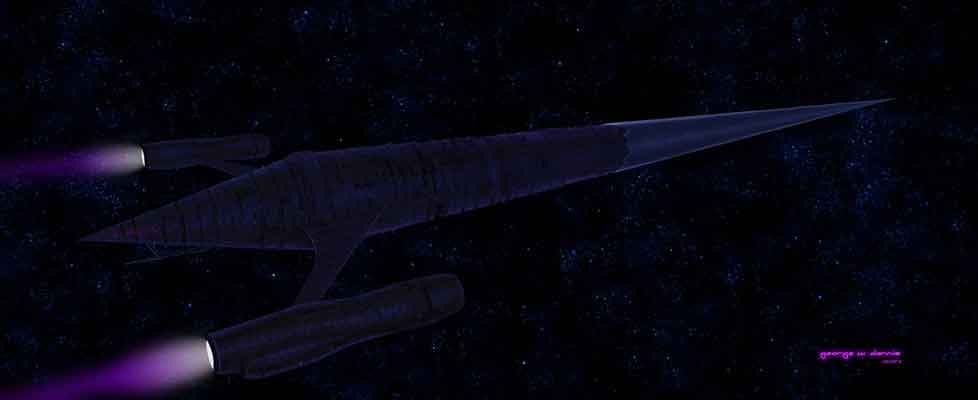
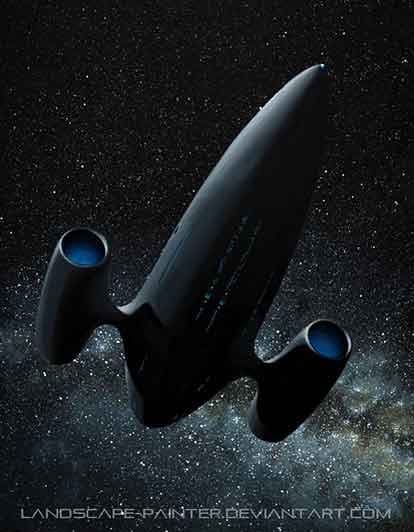
"The thing, like all the other lighthuggers, was improbably streamlined. Space only approximated a vacuum at slow speeds. Up near lightspeed -- which was where these ships spent most of their time -- it was like cutting through a howling gale of atmosphere. That was why they looked like daggers: conic hull tapering to a needle-sharp prow to punch the interstellar medium, with two Conjoiner engines braced at the back on spars like an ornate hilt. The ship was sheathed in ice, so glisteningly pure that it looked like diamond."
There's this moment where Khouri approaches the Nostalgia for Infinity and it just keeps growing, blocking half the sky. Then keeps growing some more. Reynolds captures it perfectly: "It was like flying over a city, not another vessel." That's it, that's the scale that makes hard SF work. The sense that people built something almost too complex to comprehend.
Redemption Ark (2002)
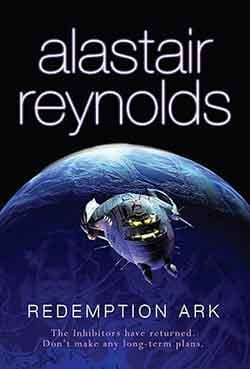
The Conjoiners take center stage, and we get Nightshade. She's smaller than your typical lighthugger, sleeker, darker - described as a "great sleek carbon-black needle." A prototype warship. The book pulls back the curtain a bit on Conjoiner drive technology.
We also learn that the Conjoiners stopped building ships a century before the events of Redemption Ark. Let that sink in. An entire civilization just... stopped making starships. The ones still flying are centuries old. Retrofitted, modified, but fundamentally antique.
Absolution Gap (2003)

The war against the Inhibitors reaches its peak, and we see lighthuggers adapted for combat in ways their original builders never intended. The fleet that humanity cobbles together represents hundreds of years of accumulated technology - some cutting edge, some held together with the spacefaring equivalent of duct tape and bubble gum.
By this point in the series, the lighthuggers feel less like advanced technology and more like living relics. They're scarred veterans of countless battles and decades-long voyages, each one carrying the weight of humanity's desperate struggle for survival. The ships aren't just transportation anymore - they're arks, weapons, and monuments all at once.
Inhibitor Phase (2021)

In the distant future envisioned by Alastair Reynolds, humanity is scattered among the stars and made great progress, but encountered two huge dangers in its path: first the Melding Plague, a nanotech virus attacking both machinery and implants with horrifying consequences, particularly for those humans who had chosen to modify their bodies with augmentations. Centuries later, a worse threat manifested itself, that of the Inhibitors, also called "wolves": hive-mind machines whose only goal is to annihilate any sentient life reaching beyond a certain level of technology. Inhibitor Phase starts a few decades after a devastating war that saw most of humanity destroyed.
The lighthuggers that survived the war are even more battered, even more ancient, and even more essential to humanity's survival. They represent not just technology from a lost age, but the last hope for scattered remnants of human civilization.
What Makes Lighthuggers So... Haunting?
I've been trying to figure out why these ships stick in my head the way they do. It's not just that they're big - lots of SF has big ships. It's not just that they're fast, and 99.999% of lightspeed is nothing to sneeze at.
I think it's the time.
"Lighthuggers were spacecraft that traveled at just below the speed of light, taking months or years to accelerate to their cruising speed. Although capable of extremely powerful bursts of acceleration (at least 10 g without any inertial suppression), when in transit between stellar systems lighthuggers typically sustained an acceleration of 1 g which would enable them to reach 99% of the speed of light in about 1 Earth year."
These ships cross interstellar distances, sure. But a trip to another star system typically takes decades. Crew members go into reefersleep - Reynolds's equivalent of cryosleep - wake up, and everyone they knew back home has aged or died. The Ultras who operate these vessels are basically divorced from baseline humanity. They've spent so long hopping between stars, experiencing time dilation, that they exist in their own strange temporal bubble.
Stay in the Loop
Get notified when we add new tools and features
Thank You!
You're all set. We'll keep you updated with the latest tools and features.
And the ships themselves age. They get patched. Rebuilt. Modified beyond recognition. The Nostalgia for Infinity has been flying for centuries. Centuries! With crews coming and going, with cargo and passengers cycling through, with battles and repairs. These aren't gleaming Federation starships fresh off the assembly line. They're survivors.
The Art That Brings Them to Life
Right. The actual point of this post. Let's talk about the incredible fan art that's emerged from the Revelation Space community. These artists have taken Reynolds's evocative descriptions and rendered them in ways that genuinely make me catch my breath.
Zandoarts
This artist has produced what might be the definitive visual interpretation of lighthuggers for a lot of fans. The work shows an almost architectural understanding of the ships - you can see the logic of the design, the way the hull tapers from tail to needle prow, the distinctive silhouettes of the engine spars.

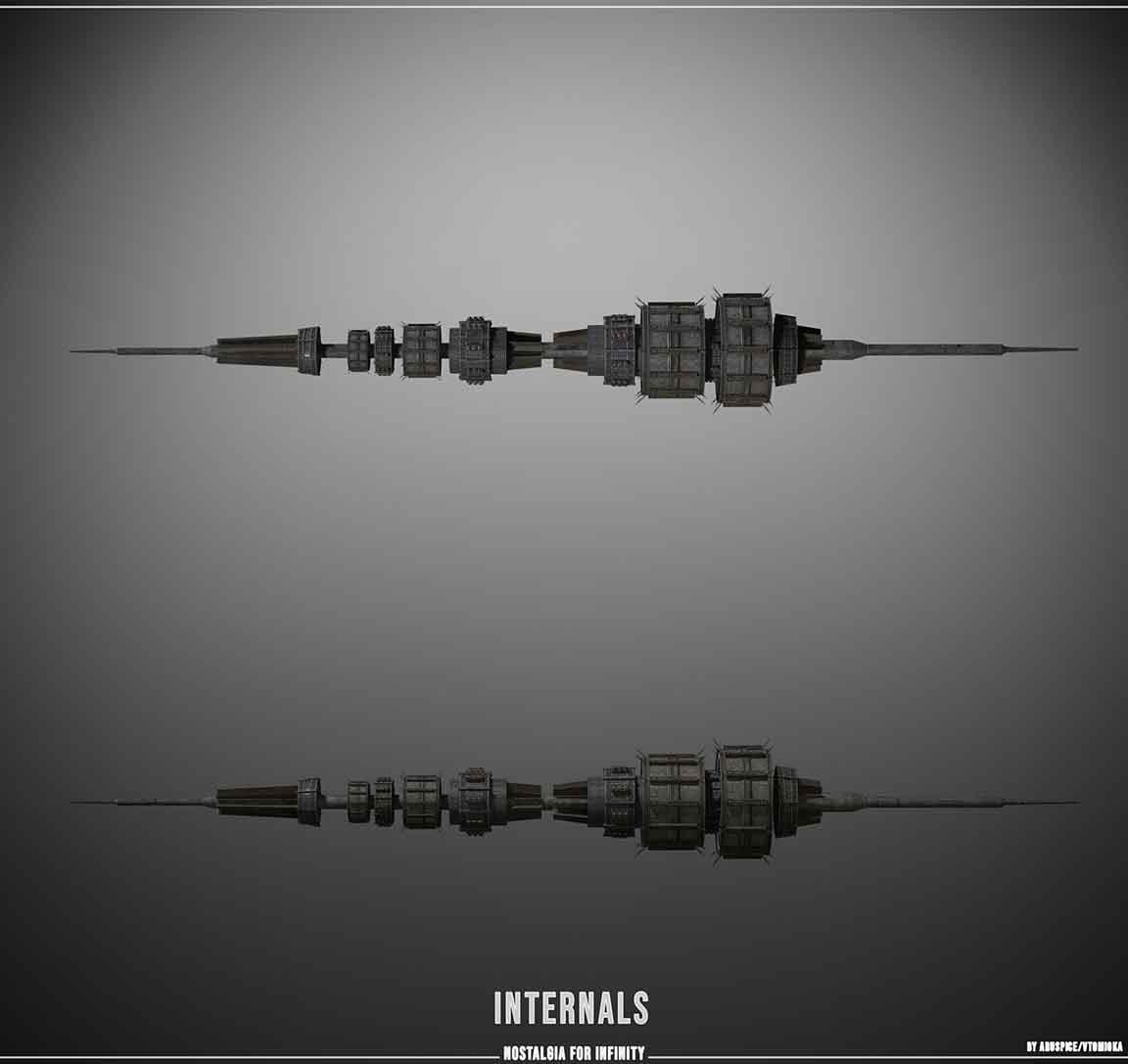
Victor Tomioka
Tomioka brings a cinematic quality to the lighthugger concept. These pieces feel like they could be concept art for a film adaptation - although I'm not sure any film could capture the scale properly.
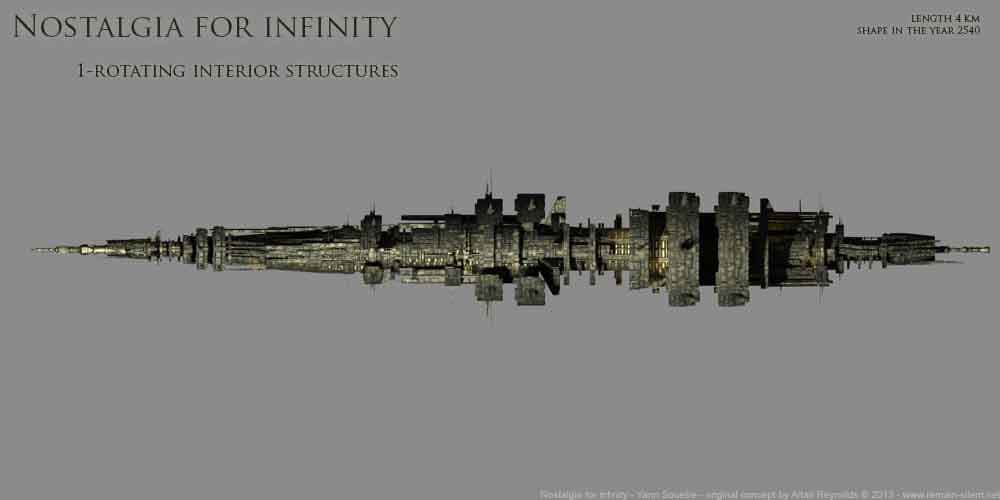
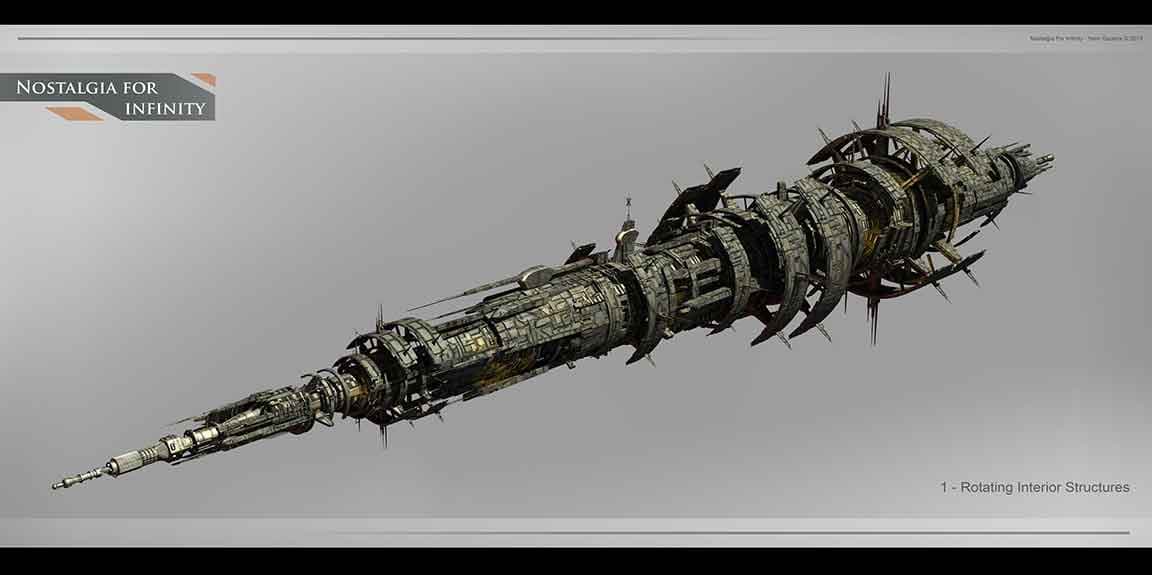
Yann S
Another artist working at the concept-art level of quality. There's a particular attention to detail here makes these pieces feel like glimpses of an actual R.S. universe.
Beltminer
Argonos
Landscape-Painter
Dansylveste
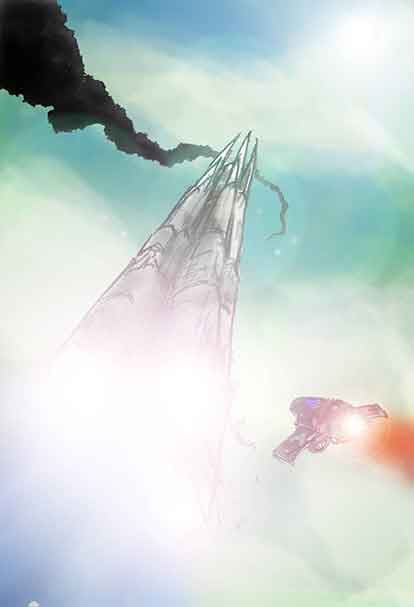
Quinnthomson
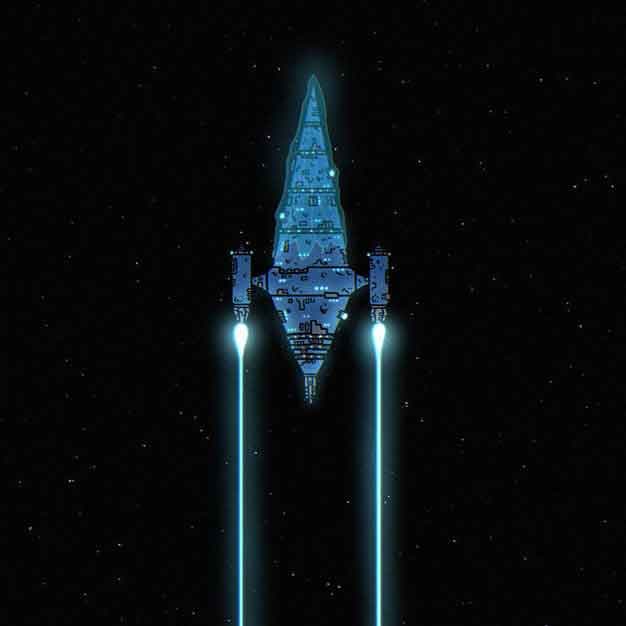
Cosm0synthes1s
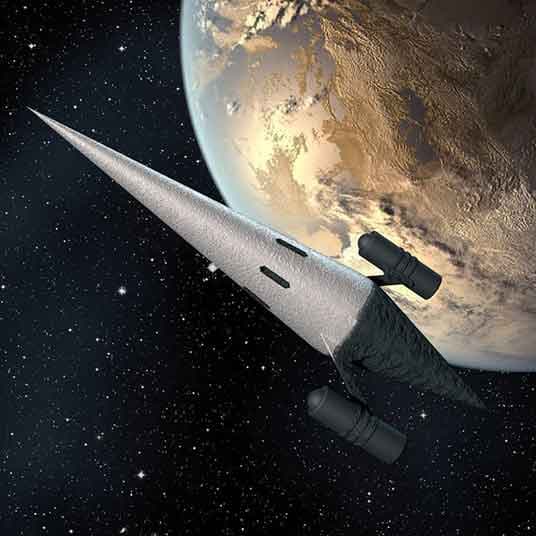
Isaac Hannaford
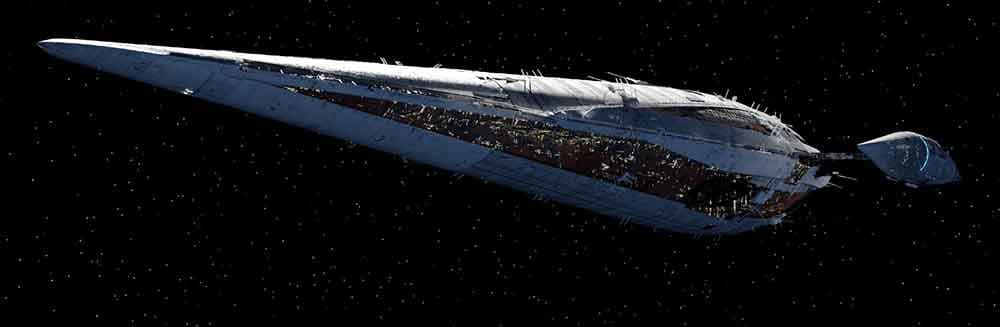
Alastair Temple
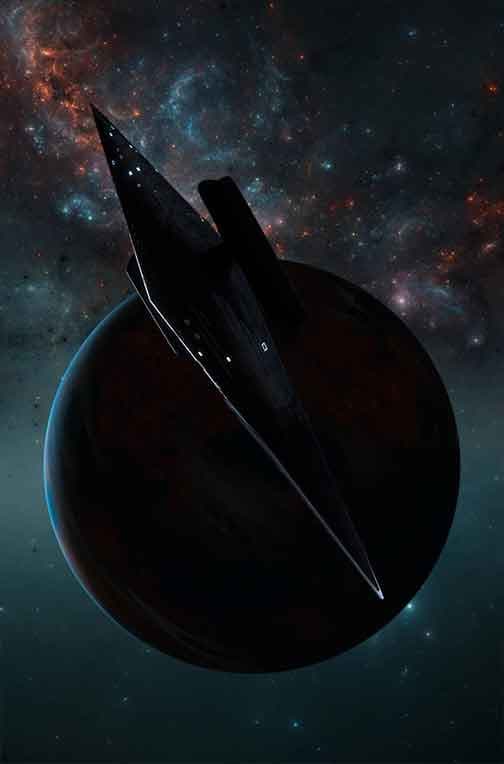
And From the Man Himself
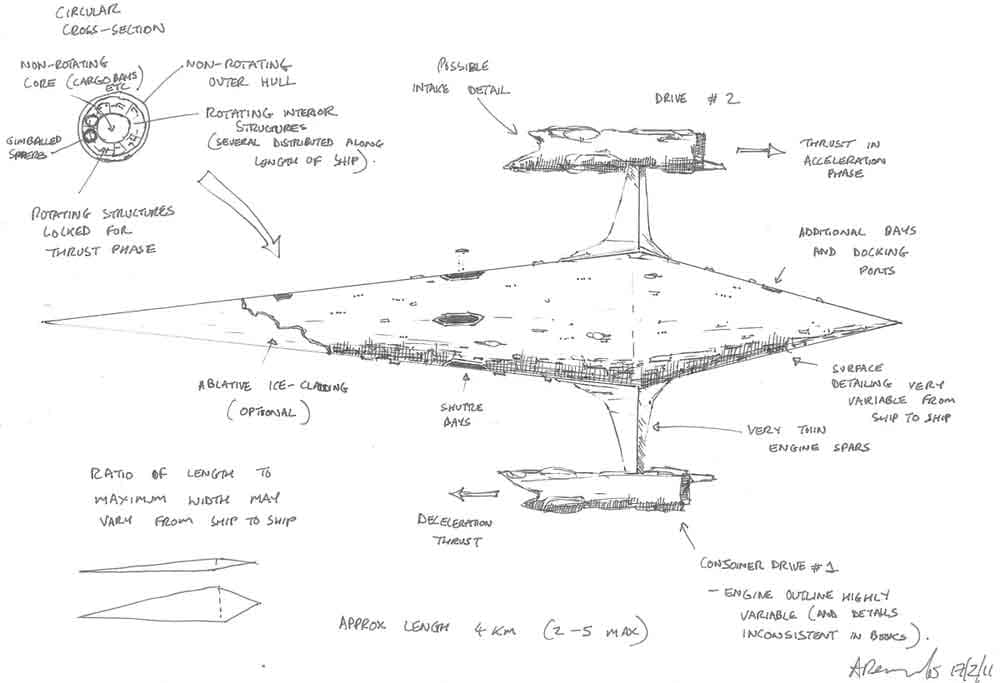
Final Thoughts
Here's the thing about lighthuggers that grabs me: they're relics of a civilization that's already half-collapsed by the time we encounter them in the novels. The Conjoiners stopped building drives, and the ships still flying are centuries old. Nobody really understands how the engines work anymore - they're tamperproof black boxes that either function or they don't. (Although their mystery will be revealed if you read far enough into the quadrilogy)
And yet these ancient machines still cross between the stars. Still carry cargo and passengers and crew. Still serve as homes for Ultras who've become as strange as the vessels they inhabit.
There's a particular kind of beauty in that. Not the gleaming promise of a bright future, but something more honest. Ships that persist. Technology that endures. The stubborn survival of human ambition even when the golden age is long past.
The artists featured here have captured that feeling in ways words alone sometimes can't. Each interpretation is different - some emphasize the scale, others the isolation, still others the sheer technical audacity of the design - but they all seem to understand what makes these ships resonate.
If any of this art moves you half as much as it moved me, do yourself a favor: go visit these artists' pages, leave comments, support their work. Fan communities thrive when we celebrate the people who add to our shared imaginative spaces.
Stay in the Loop
Get notified when we add new tools and features
Thank You!
You're all set. We'll keep you updated with the latest tools and features.
And if you haven't read the books yet? Well. You've got four novels and thousands of pages of universe waiting for you. Just don't expect to look at the night sky quite the same way afterward.
Links to All Featured Artists
- Zandoarts - DeviantArt
- Zandoarts - Tumblr
- Smiling Demon - DeviantArt
- Beltminer - DeviantArt
- Argonos - DeviantArt
- Landscape-Painter - DeviantArt
- Dansylveste - DeviantArt
- Quinnthomson - DeviantArt
- Cosm0synthes1s - DeviantArt
- Victor Tomioka - ArtStation
- Yann S - ArtStation
- Isaac Hannaford - Reddit
- Alastair Temple - Reddit
Visit Us On: