Visit Us On:






The Bottom Line
- Exploding trees in winter are real, but trees don't shatter - they crack loudly due to frozen sap expanding inside the trunk
- The phenomenon is called "frost cracking" and produces sounds like gunshots or rifle cracks
- Temperatures typically need to drop to -20°F or lower for significant cracking to occur
- Thin-barked trees like maples, sycamores, lindens, and birches are most susceptible
- While startling, exploding trees in winter rarely pose immediate danger to people nearby
- Frost cracks can expose trees to fungal infections and decay over time
As a brutal Arctic blast sweeps across the Midwest and Northern Plains this week, meteorologists are issuing an unusual warning: watch out for exploding trees in winter. The claim sounds like something from a disaster movie, but the phenomenon is very real - even if it's not quite as dramatic as it sounds.
▶ Watch or Listen to this Article
Prefer to watch or listen? Click play to check out the video version of this article.
Social media meteorologist Max Velocity sparked widespread attention this week when he warned that temperatures plunging 20 degrees below zero could cause trees to split and burst across the region. The topic even made it onto ESPN's "The Pat McAfee Show," leaving many wondering: can trees actually explode?
What Causes Exploding Trees in Winter?
The short answer is yes - but with an important caveat. When experts talk about exploding trees in winter, they're describing a phenomenon called frost cracking, not the kind of Hollywood explosion you might imagine.
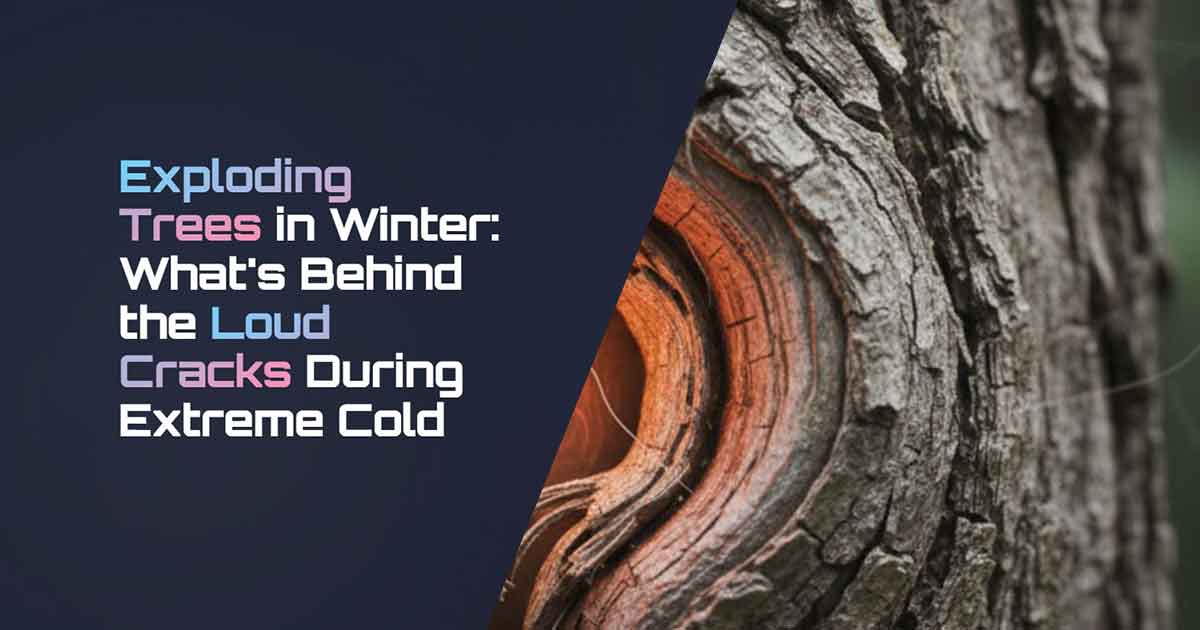
Here's the science: trees contain sap, which is mostly water. During extreme cold snaps, that sap can freeze rapidly. When water freezes, it expands - the same principle that bursts household pipes during winter storms. Inside a tree, this expansion creates tremendous pressure against the bark and wood.
"It's going to get cold enough that this sap may actually finally freeze. And when it does that, like ice cubes in your freezer, they expand very quickly," explained Bill McNee, a forest health specialist with the Wisconsin Department of Natural Resources. "That just creates a lot of physical pressure that can lead to the frost cracking appearing suddenly."
The result? A loud bang that echoes through the forest - sometimes sounding exactly like a gunshot.
Why Exploding Trees in Winter Sound So Alarming
Christopher Baird, an associate professor of physics at West Texas A&M University, says the noise can be genuinely startling, even if the actual damage is limited.
"The crackling sound or gunshot pop you hear in the forest in the winter is the sound of trees freezing and bursting," Baird explained. "A tree has hundreds to tens of thousands of these fluid channels. If one bursts, the tree has plenty of other ones to rely on."
The National Forest Foundation confirms that there are numerous historic and current observations of exploding trees in winter due to extreme cold. During sudden temperature drops, the exterior of a tree cools much faster than its interior, creating what the DNR calls "unequal contraction" between the bark and the inner wood. This tension has to release somewhere - and when it does, the crack can run the full length of the trunk.
Which Trees Are Most at Risk?
Not all trees are equally vulnerable to frost cracking. Thin-barked species face the highest risk, including:
- Maples
- Sycamores
- Lindens
- Birches
- Horse-chestnuts
- Willows
- Walnut trees
According to McNee, any tree containing sap could theoretically experience frost cracking under the right conditions. Trees growing in poorly drained soil are particularly susceptible, as are trees suddenly exposed after nearby trees are felled.
The good news? Many trees have evolved defenses against this threat. Some species dehydrate themselves before winter arrives, reducing the water content in their sap and making damaging expansion less likely.
Should You Be Worried About Exploding Trees in Winter?
Despite the alarming name, exploding trees in winter generally aren't dangerous to people nearby. The "explosion" is really a splitting of bark and wood - not a shattering blast that sends debris flying.
"The sound of the explosion may sound violent, but the process doesn't tend to actually be dangerous for nearby people," Baird noted.
However, there are some legitimate concerns. Frost cracks can cause branches to fall unexpectedly, and severe cracking may compromise a tree's structural integrity over time. The wounds left behind can also expose trees to fungal infections and decay, potentially killing them years later.
What to Do If You See Frost Damage
McNee advises anyone who notices severe cracking in a tree to consult a certified arborist. While most frost cracks heal naturally over successive growing seasons - the tree forms protective callus tissue around the wound - some damage may indicate a safety hazard, particularly if the tree is near a home or frequently traveled area.
Stay in the Loop
Get notified when we add new tools and features
Thank You!
You're all set. We'll keep you updated with the latest tools and features.
If you're out in the forest during extreme cold and hear what sounds like gunshots, don't panic. It's likely just exploding trees in winter doing what they've been doing for thousands of years - adapting, surviving, and occasionally making a scene.
The Historic Record of Frost Cracking
Exploding trees in winter have been documented throughout history. Indigenous peoples across North America were well aware of the phenomenon and incorporated the sounds into their understanding of winter's power. Pioneer journals from the 1800s frequently mention the unsettling "rifle cracks" echoing through frozen forests during particularly brutal cold snaps.
Modern forest management has given us a deeper understanding of the mechanics, but the essential truth remains the same: when temperatures plunge far enough below zero, the natural world responds in ways that can seem almost supernatural - even if the explanation is rooted in basic physics.
So the next time you hear a sharp crack echoing through the winter woods, you'll know: it's not a gunshot, not a falling branch, and not your imagination. It's just a tree, doing battle with the physics of frozen water - and occasionally losing the fight in spectacular fashion.
Visit Us On: